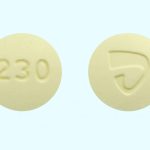

The 230 Yellow Round Pill: What It Is and When to Get Help for Oxycodone Use
If you’ve come across a round yellow pill with “230” on one side, you may have questions about what it is, how it works, and whether it’s safe. Known among users, pharmacists, and emergency responders as the “230 pill” or “C 230 pill,” this small tablet packs a powerful punch — and not always in a good way.
In this article, we’ll break down everything you need to know about the 230 yellow pill: what it contains, why it’s prescribed, why it’s often misused, and how to recognize the signs of dependency or addiction.
What Is the 230 Pill (C 230)?
The “230 pill” refers to a round yellow tablet imprinted with “230” on one side and blank on the other. This pill contains 30 mg of oxycodone hydrochloride — a strong prescription opioid pain reliever. Alvogen manufactures it and falls under the category of Schedule II controlled substances due to its high potential for abuse and addiction.
If you’ve searched for terms like “round yellow pill with 230 on it” or “what is a yellow round pill with 230 on it,” the answer is clear: it’s oxycodone, one of the most commonly misused opioids in the U.S.

Identifying the 230 Yellow Round Pill
Distinguishing Between Oxycodone and Percocet
A common misconception is that the 230 yellow pill is Percocet — but it’s not. Percocet contains both oxycodone and acetaminophen (the active ingredient in Tylenol). In contrast, the C 230 pill contains only oxycodone. This means it delivers a concentrated dose of opioid medication without the added anti-inflammatory effects of acetaminophen.
Knowing the difference is important, especially when it comes to misuse. The absence of acetaminophen can make the 230 pill more appealing to those seeking a “stronger” high — and more dangerous in large doses.
What Is the 230 Yellow Pill Used For?
Doctors prescribe the 230 yellow oxycodone pill for moderate to severe pain, particularly when around-the-clock relief is needed. It may be given to patients recovering from major surgery, managing cancer-related pain, or dealing with chronic pain that doesn’t respond to weaker medications.
However, because of its potency, this pill is rarely a first-line treatment. It’s usually reserved for patients who are opioid-tolerant — meaning they’ve already been taking opioids for some time.

Serious Risks and Side Effects of the 230 Pill
The side effects of the 230 pill range from uncomfortable to life?threatening. Even when taken exactly as prescribed, individuals may experience significant physical and cognitive changes that impact daily functioning.
- Drowsiness or sedation: Oxycodone can slow the central nervous system, leading to pronounced fatigue and difficulty staying alert. This sedation can impair judgment, coordination, and reaction time, making activities like driving extremely dangerous.
- Nausea and vomiting: Opioids often disrupt normal digestive function, causing nausea that can appear shortly after each dose. Repeated vomiting can also lead to dehydration or electrolyte imbalance if left untreated.
- Constipation: One of the most common opioid side effects, constipation occurs because oxycodone slows movement in the intestines. For many people, this becomes chronic and painful, requiring medication or dietary changes to manage.
- Itching or rash: Oxycodone can trigger histamine release in the body, causing itching, redness, or mild skin irritation. While not always dangerous, persistent itching can interfere with sleep and overall comfort.
- Dry mouth: Reduced saliva production is common with opioid use, which may lead to bad breath, mouth discomfort, or an increased risk of dental problems. Over time, chronic dry mouth can contribute to tooth decay.
- Low blood pressure: Some people experience drops in blood pressure, resulting in dizziness, lightheadedness, or fainting. This effect is more pronounced when standing up quickly or combining oxycodone with other substances.
More serious complications include respiratory depression—dangerously slowed breathing—which is the leading cause of fatal opioid overdoses. This risk becomes even higher when oxycodone is mixed with alcohol, benzodiazepines, sleep medications, or other depressants.
If someone has taken a yellow tablet 230 and shows signs such as slow or shallow breathing, unresponsiveness, pinpoint pupils, or bluish lips, seek emergency medical help immediately. These symptoms indicate a medical emergency and require immediate intervention.
Is the 230 Pill Addictive?
Yes. Oxycodone — the sole ingredient in the round 230 yellow pill — is highly addictive. Regular use can quickly lead to physical dependence and psychological addiction. People who start taking it for pain may find themselves needing higher doses just to achieve the same effect — a phenomenon known as tolerance.
For others, the appeal of the euphoric “high” makes the pill ripe for misuse. This includes crushing and snorting the pill to intensify its effects, a practice that greatly increases the risk of overdose.
If you’re wondering “what does a yellow pill with 230 on one side do?” — the answer is: it alters the brain’s reward system in ways that can make quitting extremely difficult without help.
Identifying Opioid Use Disorder: Signs & Symptoms
Not everyone who takes the 230 yellow pill becomes addicted, but many do. Opioid use disorder can begin subtly and intensify over time. If you or someone you care about is using the 230 pill or searching for it online using terms like “round yellow pill 230 Percocet,” these signs may help you determine if it’s time to seek help:
- Needing more pills to feel the same effect: Tolerance builds quickly with oxycodone. Over time, the body becomes accustomed to a certain dose, requiring more of the drug to achieve the same level of pain relief or euphoria.
- Taking the medication more often than prescribed: Some individuals begin using the pill at scheduled times, but gradually take it more frequently. This pattern can signal growing dependence and loss of control.
- Spending significant time and money seeking out the drug: When someone prioritizes acquiring the drug—despite financial strain, legal risk, or emotional cost—it often reflects a shift from casual use to addiction.
- Isolating from friends or family: Addiction often leads to shame, secrecy, or conflict. Individuals may begin withdrawing socially to hide their use or because relationships have deteriorated.
- Losing interest in previously enjoyed activities: Hobbies, social outings, and personal goals often fall by the wayside as opioid use takes center stage in daily life.
- Experiencing withdrawal symptoms when not taking the pill: Symptoms such as chills, sweating, muscle aches, nausea, anxiety, and irritability may appear between doses, driving ongoing use to avoid discomfort.
If any of these signs sound familiar, know that help is available. Recognizing the signs early can lead to timely intervention—and a much better chance at recovery.

Withdrawal From the 230 Pill and How to Quit
Stopping oxycodone, especially the 230 pill, is not easy—and can feel overwhelming without support. The symptoms of opioid withdrawal are intense, often compared to the worst flu, and they hit both the body and mind hard.
- Muscle aches: The body may feel heavy, sore, or restless. This discomfort can make it difficult to sleep or relax, especially in the first few days of withdrawal.
- Sweating and chills: Fluctuating body temperature is common. Many people experience cold sweats, hot flashes, or uncontrollable shivering during withdrawal.
- Nausea or vomiting: Digestive upset is a hallmark of opioid withdrawal. This can lead to dehydration or make it difficult to eat, adding to fatigue and weakness.
- Insomnia: Falling or staying asleep becomes difficult due to both physical discomfort and anxiety. Sleep deprivation worsens emotional instability and cravings.
- Anxiety or agitation: Many people feel intensely anxious, panicky, or irritable. These symptoms often peak within the first few days and can linger afterward.
- Diarrhea: Along with nausea, digestive issues may include cramps and frequent bowel movements. This can contribute to dehydration and exhaustion.
- Depression or mood swings: As the brain adjusts to the absence of opioids, mood regulation becomes difficult. Feelings of hopelessness or intense sadness are common.
Because of these physical and emotional challenges, quitting “cold turkey” is often unsafe and unsustainable. Medically supervised detox—like the one offered at The Ohana—can provide vital support. We offer a calm, compassionate environment where clients are monitored, stabilized, and supported throughout the withdrawal process. In some cases, FDA-approved medications like buprenorphine or methadone are used to ease symptoms and prevent relapse.
Why The Ohana Is Uniquely Equipped to Help
The journey away from pills like the 230 yellow tablet isn’t just about detox—it’s about rediscovering life, purpose, and healing. At The Ohana drug rehab center in Hawaii, we blend clinical excellence with deep compassion to guide each client through recovery.
- Holistic Healing in a Tranquil Setting: Nestled in Hawaii’s serene landscape, The Ohana offers more than traditional treatment. Our programs incorporate mindfulness, nature, cultural integration, and whole-body wellness—supporting healing on emotional, physical, and spiritual levels.
- Experienced Clinical Team with Specialization in Opioid Recovery: Our licensed clinicians have extensive experience treating opioid addiction, including oxycodone dependency. We tailor each treatment plan to the individual—addressing not just the addiction, but the underlying causes.
- Dual Diagnosis and Trauma-Informed Care: Many clients struggling with pills like the 230 yellow round pill also face mental health challenges like anxiety, depression, or PTSD. We provide comprehensive, trauma-informed support to treat co-occurring disorders in tandem with addiction.
- Continuum of Care That Supports Long-Term Success: From detox to residential treatment to aftercare planning, we stay with our clients every step of the way. Recovery doesn’t end after the 30-day mark—we help build foundations for lasting change.
We are here to help you break free with support that honors your story and walks with you—every step of the way.