The eyes are often called the windows to the soul—but they’re also one of the clearest windows into intoxication. From glassy stares to sluggish pupils, alcohol affects the eyes in ways that can be surprisingly visible. Many people notice these changes without fully understanding what they mean or when they should be taken seriously.
In this guide, we’ll explore drunk eyes vs normal eyes, what alcohol does to pupil response, why intoxication shows up so clearly in the eyes, and when repeated eye changes may signal a deeper issue with alcohol use. We’ll also discuss how to approach concerns with compassion and what recovery options exist if drinking has become a problem.
What Are Drunk Eyes? Understanding the Eyes of a Drunk Person
“Drunk eyes” isn’t a medical diagnosis, but it’s a commonly used term to describe the visible eye changes that occur during alcohol intoxication. These changes happen because alcohol depresses the central nervous system, affecting brain regions responsible for coordination, vision, and reflexes.
Why Alcohol Intoxication Shows Up So Clearly in the Eyes
Alcohol interferes with communication between the brain and the muscles that control eye movement and pupil response. As blood alcohol concentration rises, these systems slow down or become less precise. The result is eyes that may appear unfocused, red, watery, or slow to respond to light and movement.
Because the eyes rely on fine motor control and rapid neurological feedback, even moderate intoxication can cause noticeable changes—often before speech or balance issues become obvious.
Drunk Eyes vs Normal Eyes: Key Visual Differences
Understanding the difference between drunk eyes vs sober eyes can help you recognize intoxication and, in some cases, potential danger.
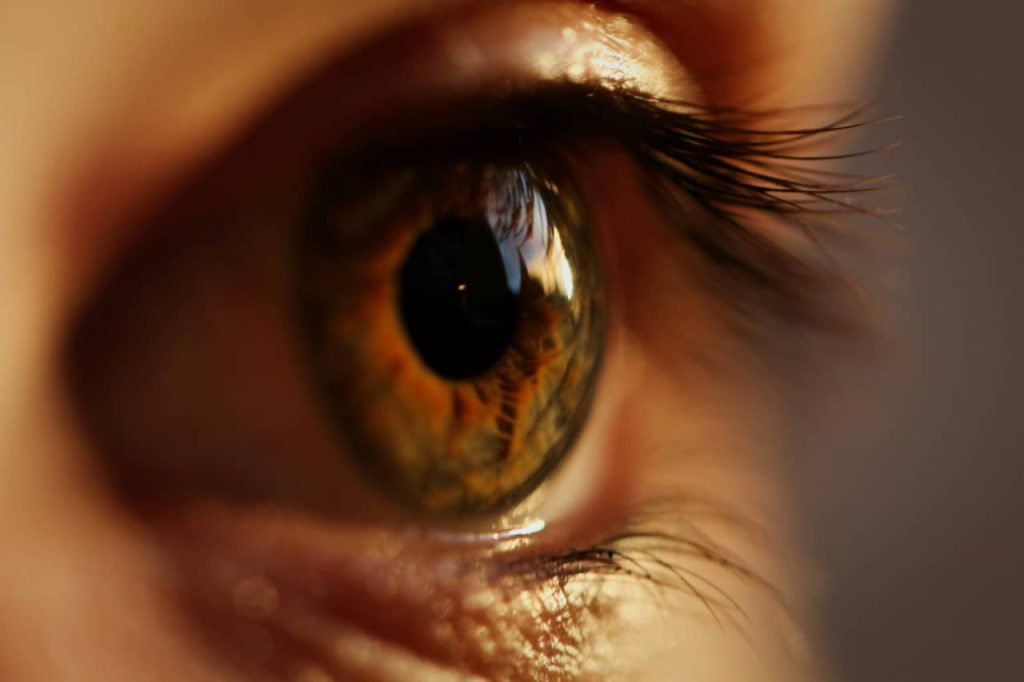
What Do Drunk Eyes Look Like? Color, Redness, and Clarity
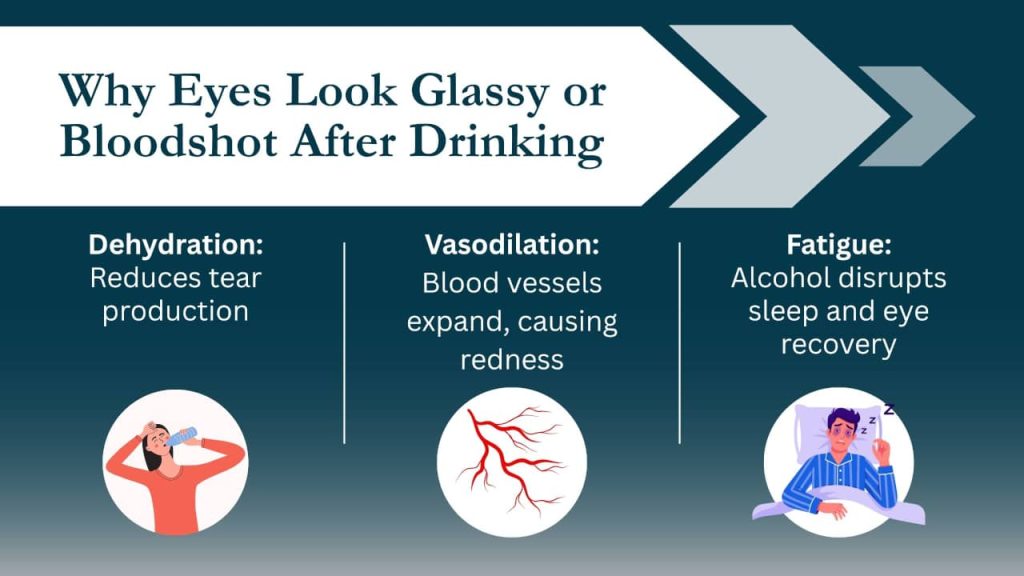
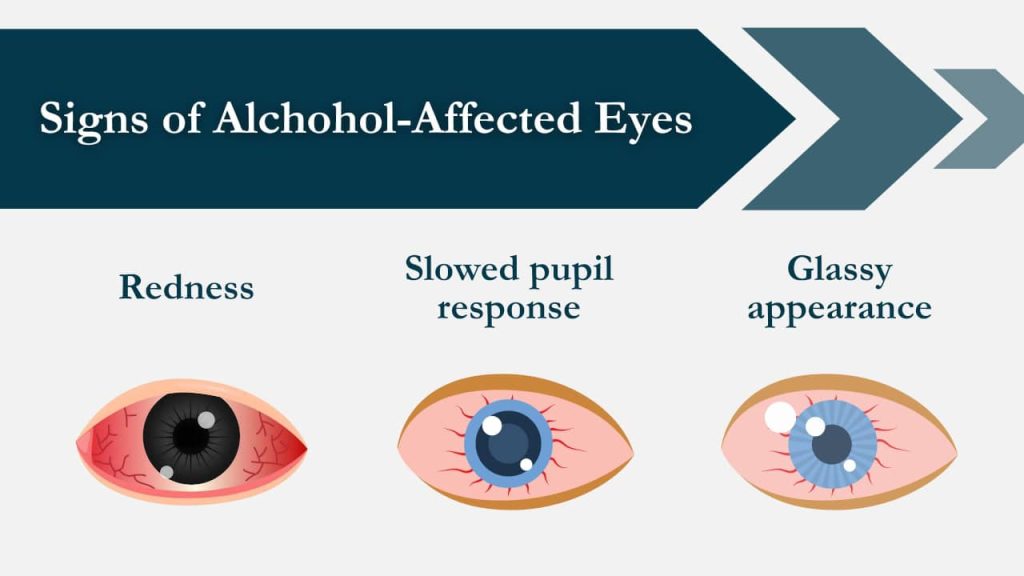
One of the most noticeable differences is redness. Alcohol causes blood vessels to dilate, which can make the whites of the eyes appear bloodshot. Reduced tear production and dehydration can also leave eyes looking dry, irritated, or dull.
Clarity is another factor. Intoxicated eyes often look unfocused or cloudy, with a lack of sharpness that’s easy to spot during conversation or eye contact.
Glassy Eyes When Drunk: What Intoxicated Eyes Look Like in Context
Glassy eyes when drunk are common and often misunderstood. Alcohol disrupts normal blinking patterns and tear film balance, causing eyes to appear shiny, watery, or reflective. This glassy look may be accompanied by slowed blinking or difficulty maintaining steady eye contact.
In social settings, this can come across as zoning out, emotional flatness, or exaggerated expressions—all signs that alcohol is affecting neurological processing.
Drunk Pupils vs Sober Pupils: Size, Shape, and Reaction to Light
Drunk pupils vs sober pupils often differ in how they respond to light. In a sober person, pupils quickly constrict in bright light and expand in low light. When intoxicated, this response can become delayed, uneven, or exaggerated.
Some people notice that pupils appear slightly dilated when drunk, while others may experience poor coordination between the eyes and pupil response—especially at higher levels of intoxication.
Do Pupils Dilate When Drunk? The Drunk Eye Check
A common question is: do pupils dilate when drunk? The answer is: sometimes—but not always in a predictable way.
Alcohol doesn’t act like stimulants or hallucinogens, which reliably cause pupil dilation. Instead, alcohol’s depressant effects can slow or impair the brain’s control over pupil reflexes. This can lead to pupils that are slow to react, uneven in size, or slightly dilated depending on lighting and intoxication level.
How a Simple Drunk Eye Check Works in Real Life
A basic drunk eye check often involves observing how someone’s pupils respond to light or movement. For example, shining a light briefly or watching how eyes track objects can reveal delayed responses or poor coordination.
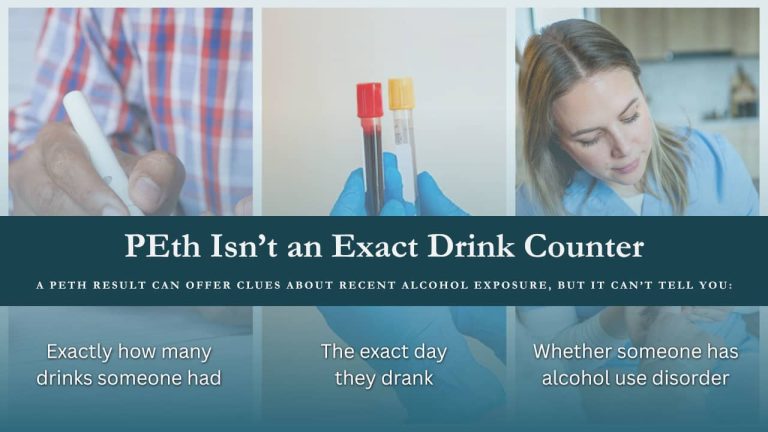
While this isn’t a medical test, it’s one reason law enforcement and medical professionals pay close attention to eye behavior when assessing intoxication or impairment. Eye signs only reflect the moment, though. Lab tests such as the PEth test for alcohol look back over days or weeks of drinking.
Glassy, Bloodshot, or Droopy: What Drunk Eyes Look Like in Context
Not all drunk people’s eyes look the same. Some may appear glassy and wide, while others look heavy, droopy, or half-closed. Droopy eyelids often result from alcohol’s sedative effects, which relax facial muscles and slow nerve signals.
Bloodshot eyes can occur even after small amounts of alcohol, especially in people who are sensitive to alcohol’s vascular effects. Combined with slurred speech or unsteady movement, these eye changes paint a clearer picture of intoxication.
Why Eye Changes Can Be an Early Wake-Up Call
Changes in the eyes—like persistent redness, glassiness, or delayed pupil response—can sometimes be one of the first visible signs that alcohol is affecting the body more deeply. While many people associate alcohol-related consequences with the liver or brain, the eyes are closely connected to the nervous system and circulation, making them especially sensitive to disruption. That’s why friends, family members, or coworkers often notice eye changes before someone recognizes a problem themselves.
Importantly, these signs aren’t about blame or diagnosis. Eye changes are clues, not proof of alcoholism. They simply signal that the body may be under strain and struggling to recover between drinking episodes. For some people, noticing these subtle but recurring changes becomes a turning point—a moment of curiosity that opens the door to reflection and support.
Recognizing early warning signs allows individuals to seek help before more serious health complications develop. Addressing alcohol use sooner rather than later can make recovery gentler, more effective, and far less disruptive to long-term health and quality of life.
When Drunk Eyes Signal a Serious Alcohol Problem
Occasional changes in the eyes during drinking aren’t unusual. But when eye changes become frequent or appear even without recent drinking, they may signal something more serious.
Warning Patterns of Alcohol Misuse and Dependence
Repeated signs like persistent redness, chronically glassy eyes, slow pupil response, or appearing intoxicated at unexpected times can point to alcohol misuse. If someone regularly has drunk-looking eyes early in the day or during work hours, it may indicate dependence or ongoing use.
These patterns often show up alongside other changes—sleep disruption, mood swings, withdrawal symptoms, or increased tolerance.
Eye Changes, Alcohol Poisoning, and When to Call for Emergency Help
Certain eye symptoms should never be ignored. Extremely dilated or unresponsive pupils, inability to focus, vomiting, confusion, or unconsciousness may signal alcohol poisoning.
If someone has intoxicated eyes combined with slow breathing, bluish lips, or unresponsiveness, seek emergency medical help immediately. Alcohol poisoning is life-threatening and requires urgent care.
Why Trauma and Chronic Stress Often Show Up in the Eyes First
The eyes are one of the most expressive parts of the body—and often one of the first places chronic stress and unresolved trauma become visible. Prolonged stress keeps the nervous system in a heightened state of alert, which can lead to muscle tension around the eyes, disrupted sleep, and persistent fatigue. Over time, this stress response can make eyes appear strained, dull, or constantly tired.
For many people, alcohol becomes a way to cope with emotional pain, anxiety, or past trauma. While drinking may temporarily numb stress, it ultimately worsens nervous system imbalance and sleep disruption, intensifying the very symptoms it’s meant to relieve. This cycle often explains why eye changes persist even when someone isn’t visibly intoxicated.
Trauma-informed care—like the approach used at The Ohana—acknowledges that substance use is often rooted in deeper emotional experiences. By addressing underlying trauma, chronic anxiety, or grief through therapy and supportive holistic practices, individuals can reduce their reliance on alcohol and allow the nervous system to recover. As emotional regulation improves, physical signs—like eye clarity, facial tension, and overall vitality—often begin to improve as well.
What to Do If You Notice Drunk Eyes Often
If you’re noticing drunk eyes frequently—either in yourself or someone you care about—it may be time to look beyond the surface.
How to Talk to Someone About Their Drinking and Eye Changes
Conversations about drinking can be difficult, especially when they involve physical signs like eye changes. Approach the topic with curiosity and concern rather than accusation. You might say, “I’ve noticed your eyes often look glassy or tired, and I’m worried about how alcohol might be affecting you.”
Focusing on health rather than judgment creates space for honesty and openness.
Treatment Options, Detox, and Next Steps Toward Recovery
If alcohol use has become hard to control, professional support can make a profound difference. For those seeking a calm, restorative environment that supports healing, rehabs in Hawaii can offer a uniquely grounding setting for recovery. At The Ohana, we understand that visible signs like drunk eyes are often just the surface of deeper struggles.
Our treatment approach combines evidence-based clinical care with holistic therapies designed to heal the whole person—body, mind, and spirit. From medically supervised detox to trauma-informed therapy, nutrition support, and restorative practices, clients receive individualized care in a peaceful Hawaiian setting.
Recovery isn’t about shame or failure—it’s about recognizing the signs and choosing a healthier path forward.
Healing Beyond the Symptoms: How The Ohana Supports Whole-Body Recovery
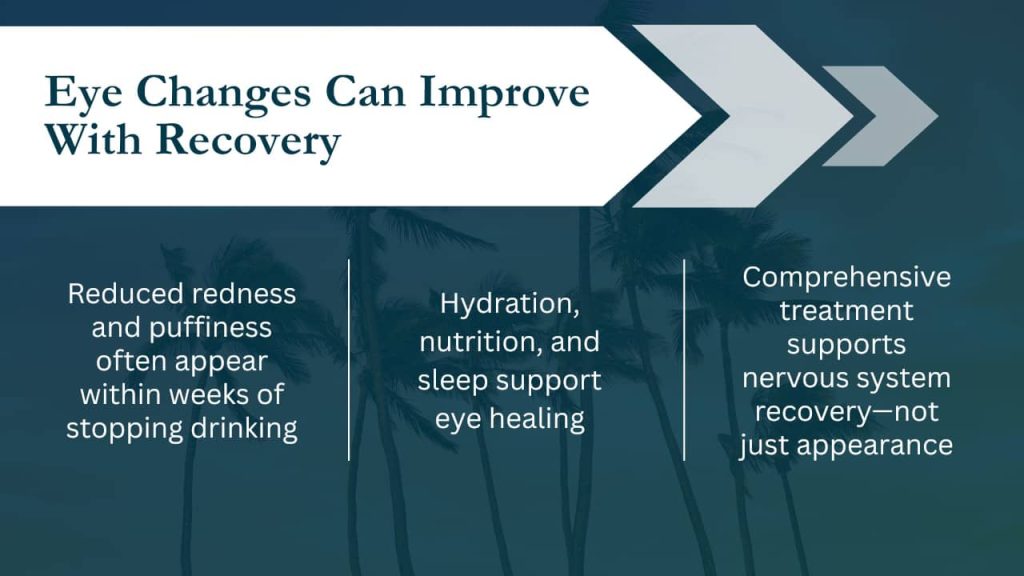
Alcohol-related eye changes are symptoms of broader stress on the body, not isolated cosmetic issues. Redness, puffiness, and dullness often reflect dehydration, inflammation, poor sleep, nervous system dysregulation, and impaired circulation. That’s why addressing surface-level symptoms alone rarely leads to lasting improvement.
At The Ohana, recovery is approached from a whole-person perspective—supporting the physical, emotional, and nervous systems together. Alongside evidence-based addiction treatment, clients benefit from holistic therapies designed to restore balance throughout the body. Nutrition counseling helps repair deficiencies caused by alcohol use, while hydration and anti-inflammatory meals support healing from the inside out.
Therapies like massage and acupuncture promote circulation and lymphatic drainage, which can reduce inflammation and fluid retention that contribute to facial and eye puffiness. Yoga, mindfulness practices, and sound healing help regulate the nervous system, improving sleep quality and reducing stress—two key factors in restoring clear, healthy eyes. Rather than focusing solely on abstinence, The Ohana’s integrated care model supports deep, sustainable healing that shows up both internally and externally.