Most people associate alcohol with relaxation, celebration, or helping them “loosen up.” At first, it may seem like drinking improves your mood, makes you more social, or temporarily helps you forget stress. But for many people, those effects don’t last.
Instead, alcohol can trigger dramatic emotional shifts. One moment you may feel happy and carefree. A few hours later, you might become irritable, tearful, anxious, or overwhelmed. The next morning, you may wake up with regret, depression, or what many people now call “hangxiety.”
If you’ve ever wondered, “Does alcohol cause mood swings?” or asked yourself, “Why does alcohol make me angry?” you’re not imagining it. Alcohol has powerful effects on the brain’s chemistry, influencing emotions both while you’re drinking and long after the alcohol has left your system.
Understanding why these emotional changes happen can help you recognize unhealthy drinking patterns and know when it’s time to seek support.
What Alcohol Does to the Brain Chemistry Behind Your Mood
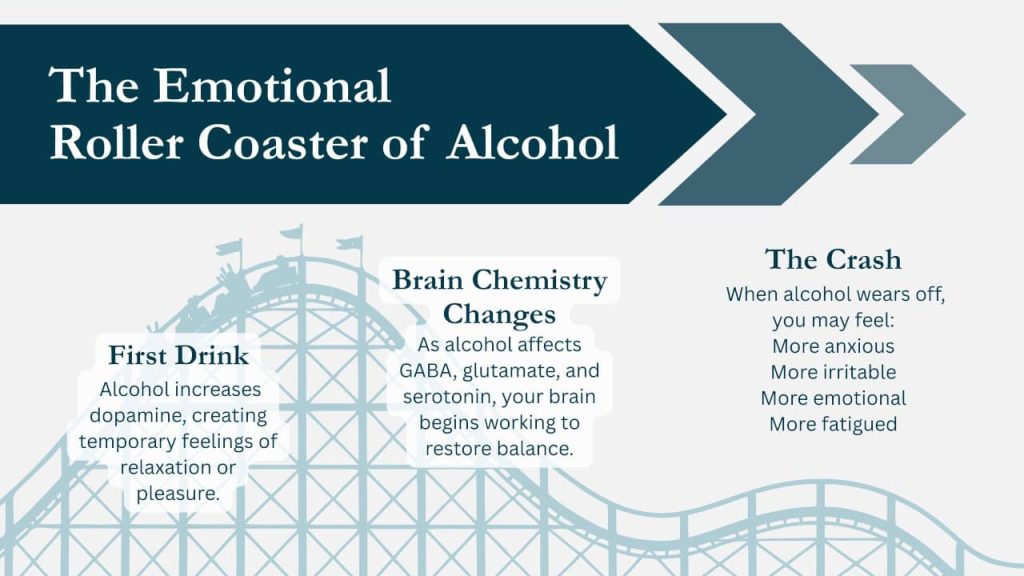
Alcohol changes the way your brain communicates almost immediately after you begin drinking. While these changes may initially feel pleasant, they’re temporary—and often followed by an emotional crash.
The Dopamine “Reward”
Alcohol causes your brain to release dopamine, the neurotransmitter associated with pleasure and reward. This creates the initial feelings of relaxation, confidence, and euphoria that many people experience.
However, dopamine levels don’t stay elevated. Once alcohol wears off, dopamine drops, often leaving you feeling flat, unmotivated, or emotionally depleted.
Alcohol Increases GABA, Then Rebounds
Alcohol also enhances GABA, a neurotransmitter responsible for slowing brain activity. This is why drinking often reduces anxiety in the moment and makes people feel calmer.
But as alcohol leaves your body, your nervous system rebounds. The brain becomes more excitable than normal, leading to restlessness, irritability, racing thoughts, and anxiety after drinking alcohol.
Serotonin Becomes Disrupted
Serotonin helps regulate mood, sleep, and emotional stability. While alcohol temporarily alters serotonin activity, repeated drinking disrupts normal serotonin production over time.
This helps explain why many people notice:
- Alcohol mood swings the next day
- Feeling emotionally sensitive
- Difficulty managing stress
- Low mood after drinking
- Increased depression with regular alcohol use
These rapid shifts between feeling “good” and feeling emotionally drained are a major reason alcohol can become such a difficult cycle to break.
Why Alcohol Can Leave You Angry, Sad, or Overwhelmed
Everyone responds to alcohol differently. Genetics, mental health, stress levels, trauma history, medications, and how much someone drinks all influence emotional reactions.
Why Alcohol Makes Some People Angry
Alcohol lowers inhibitions while also reducing activity in the parts of the brain responsible for judgment, impulse control, and emotional regulation.
As a result, frustrations that might normally be managed calmly can suddenly come out as:
- Raised voices
- Arguments
- Aggressive behavior
- Impulsive decisions
- Increased risk-taking
People who already struggle with unresolved anger, chronic stress, or trauma may notice these reactions become even stronger after drinking.
Being labeled an angry alcoholic doesn’t necessarily mean someone is angry all the time—it often reflects alcohol’s effect on emotional control.
Why Drinking Can Make You Feel Sad or Depressed
Many people experience the opposite reaction.
Instead of anger, alcohol makes them cry, withdraw socially, or dwell on painful memories. If you’ve wondered, “Why does alcohol make me sad?” or thought, “Alcohol makes me depressed,” there are biological reasons behind it.
As alcohol wears off, dopamine and serotonin activity decline while stress hormones increase. This combination can create feelings of sadness, hopelessness, guilt, or emptiness.
Some people also notice:
- Feeling depressed after drinking
- Regret about things they said
- Increased loneliness
- Feeling emotionally exhausted
For individuals already living with depression, alcohol often worsens symptoms over time.
Why You Feel Everything More Intensely After a Few Drinks
Alcohol reduces the brain’s ability to regulate emotions.
As a result, feelings become amplified.
Minor disappointments can feel devastating.
Small disagreements can become major arguments.
Positive emotions may also feel bigger, but they often change quickly.
Many people describe becoming drunk and emotional, crying unexpectedly, laughing uncontrollably, or reacting far more intensely than they normally would.
The Day After: Anxiety, Low Mood, and Irritability
The emotional effects of alcohol often continue long after drinking stops.
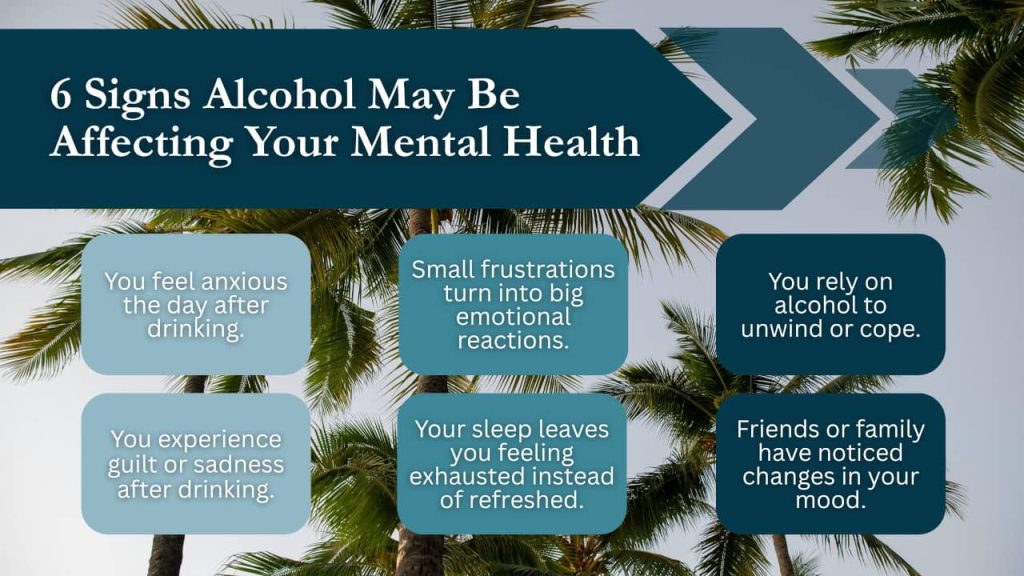
Many people experience what has become known as “hangxiety”—a combination of anxiety, guilt, irritability, and emotional discomfort that appears the following day.
Why Does Anxiety Happen the Next Day?
Alcohol temporarily suppresses the nervous system. As it leaves the body, the brain works to restore balance by increasing excitatory activity.
This rebound can leave you with:
- Racing thoughts
- Restlessness
- Increased heart rate
- Trouble relaxing
- Feeling constantly on edge
If you’ve ever wondered, “Does alcohol cause anxiety the next day?” the answer is yes—it commonly does, especially after heavier drinking.
Day-After Depression
Many people also experience day after alcohol depression.
This may include:
- Low motivation
- Feeling emotionally numb
- Sadness without a clear reason
- Lack of enjoyment
- Hopeless thoughts
While these symptoms often improve within a day or two, repeated drinking can make them more frequent and more severe.
Why Mood Swings Become More Common
With ongoing alcohol use, emotional highs and lows often become increasingly unpredictable.
People may notice they become:
- More irritable
- Less patient
- Emotionally reactive
- Easily overwhelmed
- Less able to manage everyday stress
Over time, these mood swings can begin affecting relationships, work performance, and overall quality of life.
When Mood Swings Point to Something Deeper
Occasional emotional changes after drinking are common. However, frequent or severe mood swings may signal that alcohol is affecting the brain in more significant ways.
Alcohol Can Rewire Emotional Regulation
Long-term alcohol use changes the way the brain processes emotions.
Rather than using healthy coping skills, the brain begins relying on alcohol to regulate stress, sadness, anxiety, or frustration.
Eventually, emotions become harder to manage without drinking.
This cycle can contribute to:
- Chronic anxiety
- Depression
- Irritability
- Emotional numbness
- Increased alcohol cravings
Alcohol and Co-Occurring Mental Health Conditions
For many people, alcohol isn’t the only challenge.
Underlying conditions such as anxiety disorders, depression, PTSD, or unresolved trauma often contribute to drinking—and alcohol frequently makes those conditions worse.
This is known as a dual diagnosis, where both substance use and mental health conditions need treatment together.
At The Ohana, we understand that alcohol misuse rarely exists in isolation, which is why our inpatient alcohol rehab in Hawaii treats co-occurring conditions together. Our clinicians work to uncover the root causes behind drinking rather than simply treating the symptoms.
Supporting a Loved One Whose Moods Shift When They Drink
Watching someone you love become a different person after drinking can be painful and confusing.
You may notice they become:
- Easily angered
- Emotionally withdrawn
- Tearful
- Unpredictable
- Defensive about their drinking
Rather than arguing while they’re intoxicated, try having calm conversations when they’re sober. Express concern using specific observations rather than blame, and encourage professional support if drinking continues affecting their emotions, relationships, or daily functioning.
Remember that you cannot control another person’s drinking—but you can encourage treatment while protecting your own well-being through healthy boundaries and support.
Finding Steadier Ground: Healthy Ways to Cope and When to Get Support
If alcohol has become your primary way of coping with stress, anxiety, or difficult emotions, recovery is about much more than simply stopping drinking. It’s about learning healthier ways to regulate emotions, care for your nervous system, and reconnect with yourself. While everyone’s recovery journey is unique, these evidence-based lifestyle habits can help create a stronger foundation for emotional well-being.
Build consistent sleep routines
Alcohol often disrupts deep, restorative sleep, even if it initially makes you feel drowsy. Limiting screen time before bed and creating a calming nighttime routine can improve sleep quality and help stabilize mood over time.
Engage in regular physical activity
Exercise naturally increases endorphins and supports the production of neurotransmitters like dopamine and serotonin, helping improve mood while reducing anxiety and stress. Daily walks, gentle yoga, swimming, or whatever ways you like to move your body can have meaningful mental health benefits.
Prioritize balanced nutrition and hydration
Alcohol depletes important nutrients and contributes to dehydration, both of which can worsen irritability, fatigue, and mood swings. Eating regular meals that include lean protein, healthy fats, whole grains, fruits, and vegetables, while drinking plenty of water, helps you recover.
Practice mindfulness and meditation
Mindfulness teaches you to observe emotions without immediately reacting to them, making it easier to tolerate uncomfortable feelings without turning to alcohol.
Spend time outdoors and connect with nature
Research has shown that spending time in natural environments can lower stress hormones, reduce anxiety, and improve overall emotional well-being. Whether it’s a walk through a local park, hiking, gardening, or simply sitting outside, nature provides a powerful opportunity to reset both the mind and body.
Stay connected with supportive friends and family
Isolation often fuels both addiction and depression. Maintaining relationships with people who encourage your recovery provides accountability and emotional support.
Work with a therapist
A licensed mental health professional can help you understand the underlying reasons behind your drinking, develop healthier coping skills, and address co-occurring conditions such as anxiety, depression, or unresolved trauma. Therapy provides a safe space to process emotions without relying on alcohol.
Participate in recovery support groups
Programs and other peer-support communities connect you with people who understand what you’re experiencing. These groups offer encouragement, practical tools, and a sense of belonging that can make long-term recovery feel more achievable.
It’s also important to know that people who drink heavily should not stop alcohol abruptly without consulting a medical professional. Alcohol withdrawal can be dangerous and, in some cases, life-threatening. Symptoms may include severe anxiety, tremors, hallucinations, seizures, and a potentially fatal condition known as delirium tremens (DTs). A medically supervised detox program provides a safe environment where withdrawal symptoms can be carefully monitored, medications can be administered when appropriate, and individuals can begin recovery with the support they need.
Healing the Whole Person at The Ohana
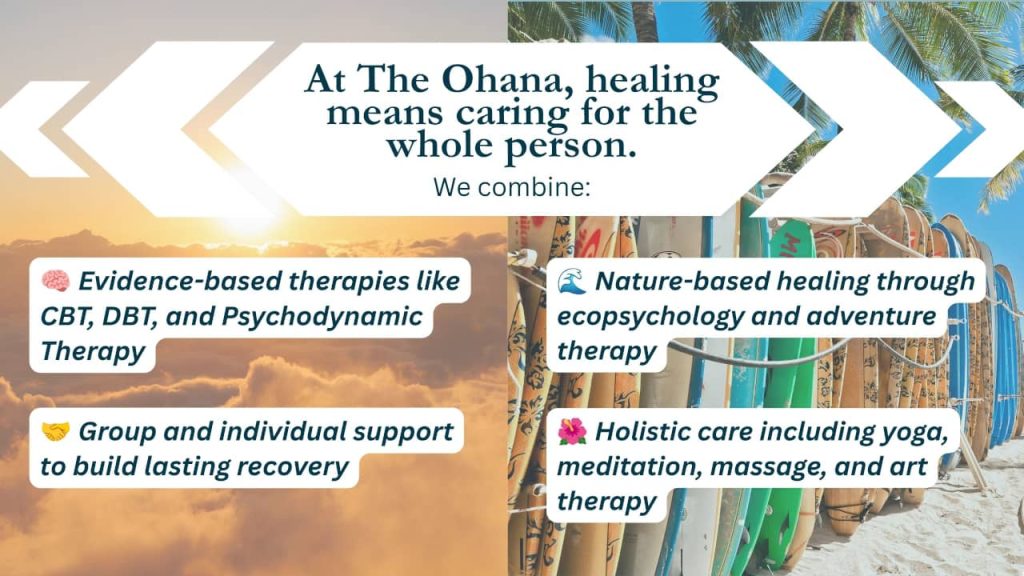
At The Ohana, we believe lasting recovery happens when treatment addresses the whole person, not just the alcohol use itself.
Our individualized treatment plans combine evidence-based therapies like Cognitive Behavioral Therapy (CBT), Dialectical Behavior Therapy (DBT), psychodynamic therapy, and group therapy with holistic services that support emotional regulation and nervous system healing.
Clients also benefit from yoga, mindfulness, massage therapy, acupuncture, ecopsychology, art therapy, and our signature adventure therapy program, where activities like hiking, snorkeling, kayaking, ziplining, and exploring Hawaii’s natural beauty help rebuild confidence, resilience, and healthy connections.
If alcohol is affecting your mood, relationships, or overall well-being, you don’t have to navigate it alone. With compassionate support and comprehensive care, it is possible to regain emotional stability, rebuild your health, and create a life that no longer depends on alcohol to feel okay.