When you wake up after drinking with nausea, a pounding headache, and a stomach that wants nothing to do with breakfast, ginger ale can sound like exactly what you need. It’s fizzy, easy to sip, and has been a go-to home remedy for upset stomachs for generations.
But does ginger ale help a hangover, or does its reputation have more to do with tradition than science?
The answer is somewhere in the middle. Ginger itself has been studied for nausea and digestive discomfort, and getting fluids can certainly be helpful after drinking. But the average can of ginger ale isn’t necessarily delivering enough real ginger to provide the same benefits seen in studies.
Here’s what ginger ale can realistically do, when another form of ginger may be more useful, and what your body actually needs after a night of drinking.
The Short Answer on Ginger Ale and Hangovers
If you’re wondering if ginger ale is good for hangovers, it may help with certain symptoms, but it isn’t a hangover cure.
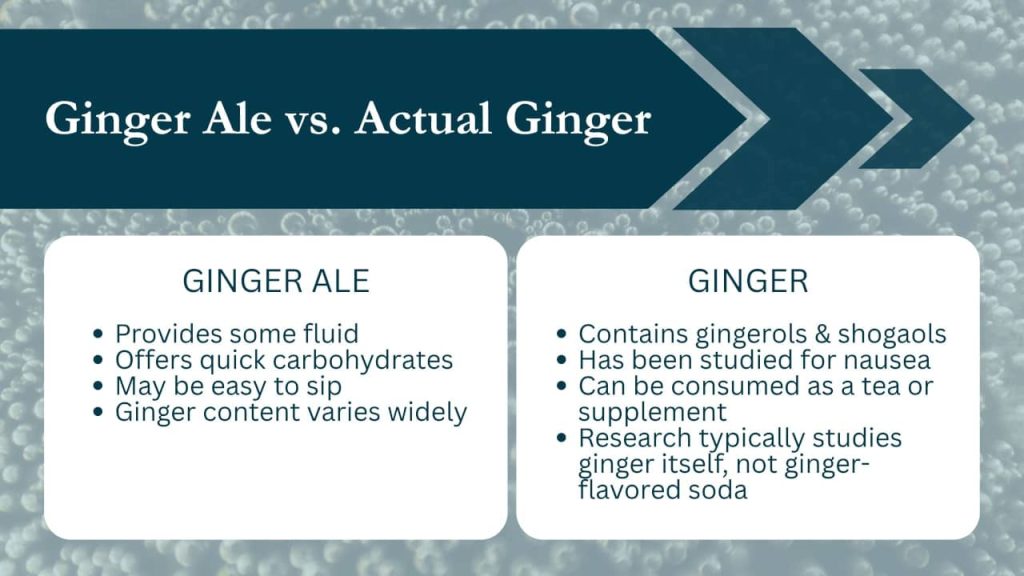
A cold ginger ale can be easy to tolerate when you’re nauseated, and its carbohydrates can provide some quick energy if you haven’t eaten. Drinking it also gives you some fluid, although water or an electrolyte-containing beverage may be a better choice for hydration.
The bigger question is whether the ginger ale you’re drinking actually contains enough ginger to matter.
What the Fizz and Sugar Actually Do for a Hangover
Part of the appeal of ginger ale for a hangover may have little to do with ginger.
Some people find carbonated beverages soothing when they’re nauseated, while others find that carbonation makes bloating, reflux, or stomach discomfort worse. There’s no universal response.
Sugar can also provide readily available carbohydrates. If you haven’t eaten for many hours, sipping a sweet beverage may temporarily make you feel better. However, a sugary drink doesn’t correct the many processes involved in a hangover.
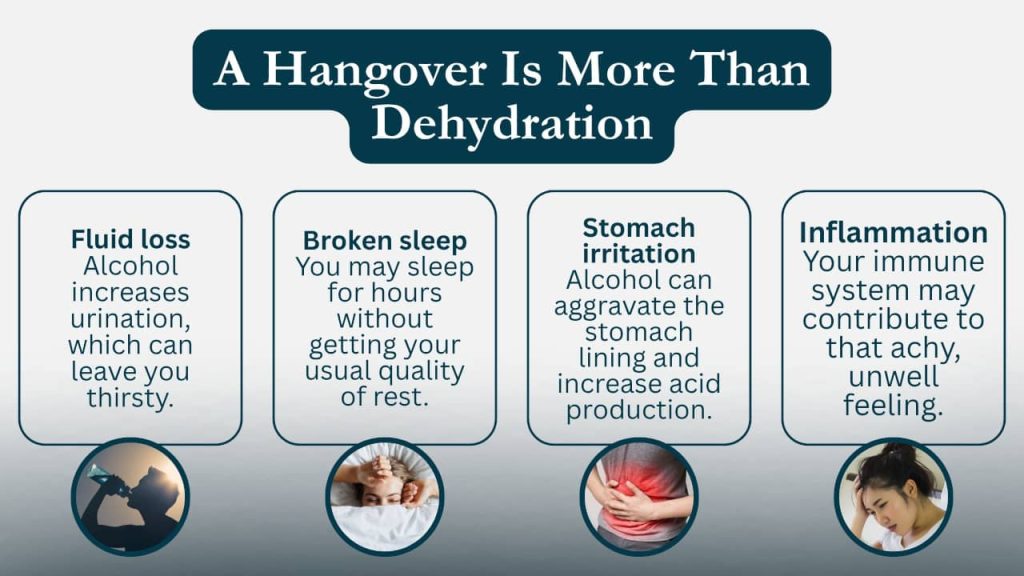
And while ginger ale contributes fluid, alcohol-related dehydration isn’t the only reason you feel terrible the next morning. Hangovers involve disrupted sleep, gastrointestinal irritation, inflammation, changes in immune activity, and the effects of alcohol and its metabolites.
Why the Ginger on the Label May Not Be Doing Much
Not every ginger ale contains a meaningful amount of actual ginger. Some products get much of their ginger-like flavor from flavorings rather than substantial quantities of ginger root or extract.
That matters because research showing potential benefits from ginger for hangover symptoms generally examines ginger itself, not a glass of commercial soda that happens to taste like ginger.
If nausea relief is your main goal, it makes more sense to look at what we know about ginger directly.
What Ginger Genuinely Does for Hangover Symptoms
Researchers have studied ginger for nausea associated with pregnancy, surgery, chemotherapy, and other circumstances. While those conditions aren’t identical to a hangover, the findings help explain why ginger may settle an upset stomach.
Settling Hangover Nausea and an Unsettled Stomach
So, does ginger help with a hangover?
It may help with the nausea component.
Ginger contains bioactive compounds, including gingerols and shogaols, that appear to influence digestive and nausea-related pathways. Research suggests ginger can affect gastrointestinal motility and pathways involving serotonin, which plays an important role in nausea and vomiting. That’s the same pathway targeted by prescription anti-nausea drugs like ondansetron, which is why people also ask whether Zofran helps a hangover.
But it’s important to keep expectations realistic. Ginger may settle your stomach; it doesn’t make your body process alcohol dramatically faster.
Easing Inflammation and a Hangover Headache
You may also encounter claims that ginger is an effective hangover headache remedy because it has anti-inflammatory properties.
There is some scientific basis for ginger’s anti-inflammatory effects. Its active compounds have been studied for their influence on inflammatory pathways, and ginger has been investigated for pain in several contexts.
However, that’s different from proving that ginger for a hangover will reliably eliminate an alcohol-related headache.
Hangover headaches can have several contributing factors, including dehydration, poor sleep, alcohol’s effects on blood vessels, and inflammatory responses. Ginger may play a supportive role, but it isn’t a targeted treatment for all of those causes.
Where the Evidence on Ginger Runs Out
This distinction is important: evidence that ginger can reduce certain forms of nausea does not prove that ginger cures hangovers.
There simply isn’t enough high-quality evidence to say that ginger and hangovers have a direct cure-and-effect relationship.
Think of ginger as a tool for managing a symptom rather than reversing what alcohol has done to your body overnight.
How to Tell Whether Your Ginger Ale Contains Real Ginger
If you enjoy ginger ale when you’re sick or hungover, you don’t necessarily need to stop drinking it. But it’s worth knowing what you’re buying.
Check the Ingredient List
Depending on the product, you may see ingredients such as ginger extract, ginger root, ginger juice, or natural flavors. The challenge is that labels don’t necessarily tell you exactly how much ginger is present.
If your primary goal is to get the potential digestive benefits of ginger rather than simply enjoy the beverage, fresh ginger or a product that clearly identifies ginger as an ingredient may be a more direct option.
Ginger Ale vs. Ginger Beer
Despite its name, ginger beer is generally a nonalcoholic beverage, although you should always check the label because alcoholic versions do exist.
Ginger beer also tends to have a stronger, spicier ginger flavor than ginger ale, and some varieties contain more actual ginger. But this varies significantly by brand.
Neither category guarantees a particular ginger content.
Also remember that both can contain considerable added sugar. A stronger ginger taste doesn’t automatically make a beverage healthier or more effective for a hangover.
Better Ways to Get Ginger the Morning After a Hangover
If you’re specifically interested in ginger for a hangover, you don’t need to rely on soda.
There are several ways to consume ginger more directly.
Fresh Ginger Tea for Hangovers
Slice or grate a small amount of fresh ginger root and steep it in hot water for several minutes. You can strain it before drinking and add lemon or a small amount of honey if that makes it easier to tolerate.
Chews, Capsules, and Powdered Ginger
Chews may be convenient when making tea sounds like too much work, although some contain substantial amounts of added sugar. Powdered ginger can be mixed into tea or other beverages.
Supplements provide more concentrated amounts, but “natural” doesn’t automatically mean risk-free. More isn’t necessarily better, and concentrated supplements can cause side effects or interact with medications.
When Ginger Isn’t a Good Idea: Medications, Alcohol, and Other Cautions
For most people, normal culinary amounts of ginger are well tolerated. Larger amounts or concentrated supplements deserve more caution.
Ginger may affect blood clotting and could be a concern for people taking certain anticoagulant or antiplatelet medications. It can also cause heartburn, abdominal discomfort, or irritation in some people.
If you take prescription medications or have an underlying health condition, ask a healthcare professional before using concentrated ginger supplements.
And when thinking about ginger and alcohol, remember that taking ginger doesn’t make continued drinking safer. It won’t prevent intoxication, alcohol poisoning, or the other risks associated with excessive alcohol consumption. If those risks are starting to feel familiar rather than hypothetical, The Ohana’s alcohol rehab in Hawaii is one place to start a conversation.
What Actually Helps a Hangover Besides Ginger?
Unfortunately, there is no instant cure that reliably makes a hangover disappear.
Your body primarily needs time to recover. However, a few simple measures can make that process more comfortable. Over-the-counter remedies get asked about too; we’ve looked separately at whether Dramamine helps with hangover nausea.
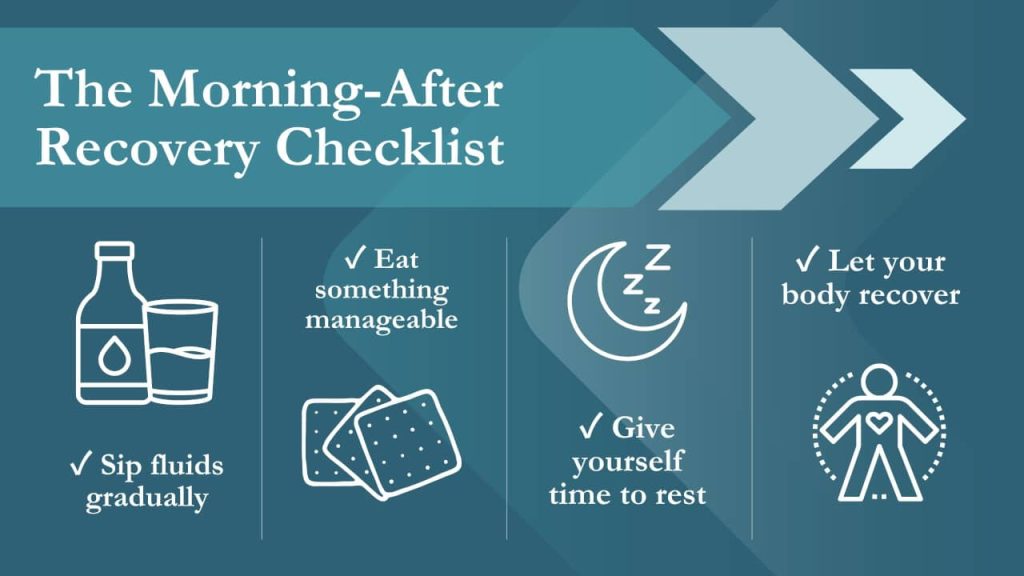
Hydrate gradually. Water can help replace lost fluid, while an electrolyte beverage may be useful if you’ve also been vomiting or haven’t eaten.
Eat when you’re able. Bland foods containing carbohydrates can be easier to tolerate when you’re nauseated. As your stomach settles, adding protein and other nutrient-rich foods can help you return to your normal eating pattern.
Prioritize rest. Alcohol can make you fall asleep faster while still reducing the quality of that sleep. Giving yourself time to rest can help with the fatigue and mental fog that often accompany a hangover.
Avoid “hair of the dog.” Drinking more alcohol may temporarily postpone some symptoms, but it doesn’t resolve the underlying problem and can extend the cycle. Repeatedly needing another drink in the morning to feel normal can also be an important warning sign.
When Hangovers Are Worth Paying Attention To
An occasional unpleasant morning after drinking doesn’t necessarily mean someone has alcohol use disorder.
But frequent hangovers can tell you something about your drinking pattern.
It may be worth looking more closely if you regularly:
- Drink more than you planned once you start.
- Lose parts of the night or experience blackouts.
- Miss work, school, or other responsibilities after drinking.
- Need alcohol to relax, sleep, socialize, or manage difficult emotions.
- Promise yourself you’ll cut back but repeatedly return to the same pattern.
- Spend mornings searching for ways to recover quickly enough to continue with your day.
Moving Beyond Hangover Management at The Ohana Hawaii
At The Ohana Hawaii, residential alcohol treatment isn’t simply about removing alcohol and sending someone back into the same life with the same coping mechanisms.
The goal is to understand the person as a whole.
The Ohana creates individualized treatment plans that combine evidence-based approaches with holistic support. Modalities such as Cognitive Behavioral Therapy (CBT), Dialectical Behavioral Therapy (DBT), psychodynamic therapy, trauma work, individual therapy, and group therapy can help clients explore the emotions and experiences connected to alcohol use.
Holistic services offer another layer of support. Mindfulness, meditation, yoga, ecopsychology, art therapy, massage, and other practices can help clients develop ways to manage stress and reconnect with themselves without relying on substances.
That matters because repeatedly treating the morning-after symptoms doesn’t address the pattern creating them.
If hangovers are becoming more frequent, you’re regularly drinking more than intended, or cutting back has been harder than you expected, support is available. Recognizing that alcohol isn’t working for you anymore doesn’t require shame or a specific label. The Ohana Hawaii is here when you’re ready to talk.