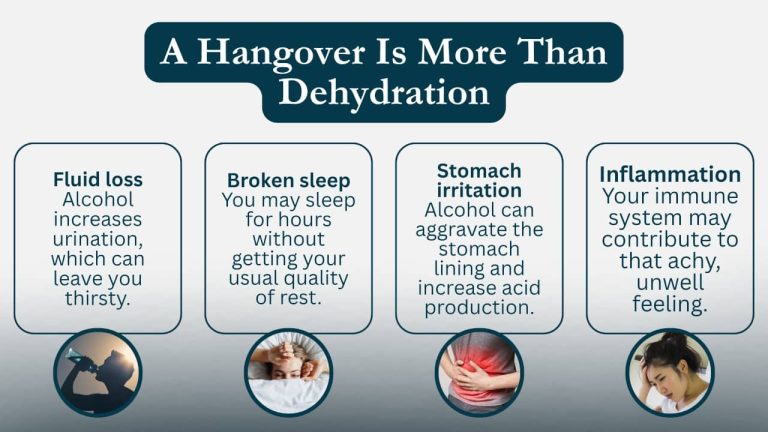
Waking up to discover you’ve wet the bed after drinking alcohol can be embarrassing, confusing, and even frightening. Many people dismiss it as “just drinking too much,” but if it happens repeatedly, it may be your body’s way of signaling that something more serious is going on.
While alcohol can temporarily affect the body’s ability to control the bladder, recurring episodes of adult bed wetting after alcohol shouldn’t simply be ignored. Understanding why it happens can help you take steps to prevent it—and recognize when it’s time to seek professional support.
Why Drinking Alcohol Can Make You Wet the Bed
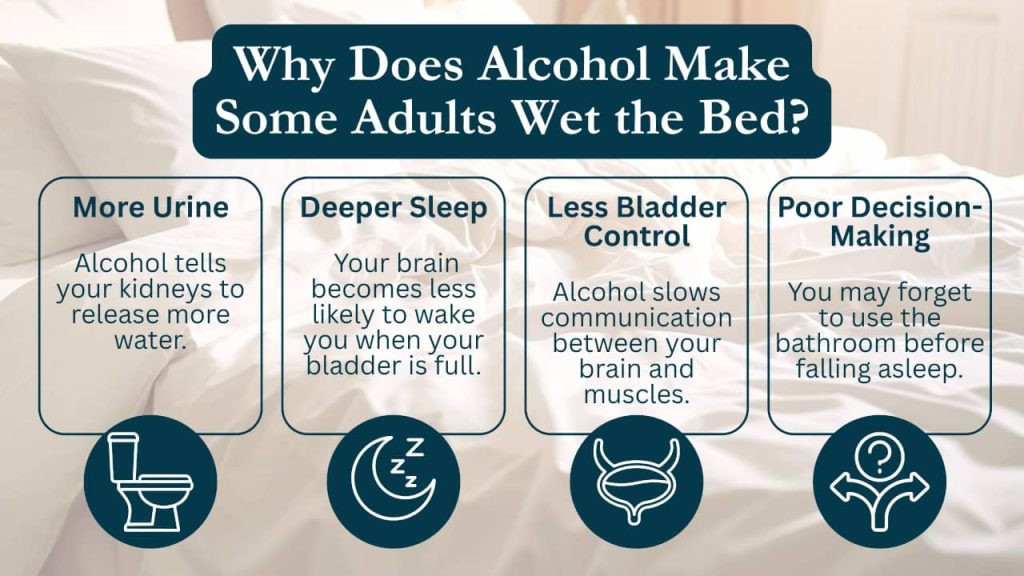
Alcohol affects much more than judgment and coordination. It also interferes with hormones, sleep, nerve signaling, and bladder function. When these effects combine, they can make wetting the bed after drinking alcohol much more likely.
For some people, it may only happen after an unusually heavy night of drinking. For others, peeing the bed when drunk becomes a recurring problem that signals alcohol is having a greater impact on the body than they realize.
Alcohol Lowers the Hormone That Controls Urine (ADH)
One of the biggest reasons alcohol increases urination is because it suppresses the production of antidiuretic hormone (ADH), also called vasopressin.
Normally, ADH tells your kidneys to conserve water by producing less urine while you sleep. Alcohol interrupts this process.
As ADH levels fall:
- Your kidneys produce significantly more urine.
- Your bladder fills more quickly.
- You become dehydrated despite producing larger amounts of urine.
This is why many people find themselves constantly using the restroom while drinking. If you’re asleep when your bladder reaches capacity, the chances of urinating in bed when drunk increase dramatically.
The more alcohol someone drinks, the greater this effect becomes.
Deep, Heavy Sleep Means You Miss the Urge to Go
Alcohol is often mistaken for a sleep aid because it makes people fall asleep faster.
In reality, alcohol disrupts healthy sleep architecture and can cause unusually deep sleep during the first part of the night.
During intoxication:
- Your brain becomes less responsive to signals from your bladder.
- You may sleep through sensations that would normally wake you.
- Coordination and awareness remain impaired even while asleep.
Simply put, your bladder may be sending the signal to wake up, but your brain doesn’t respond.
This combination of increased urine production and decreased awareness explains why wetting the bed when drunk can happen even in healthy adults.
How Alcohol Irritates the Bladder
Alcohol doesn’t only increase urine production—it can also irritate the bladder itself.
Alcohol acts as a bladder irritant, making the bladder contract more frequently and increasing feelings of urgency.
Many people notice:
- Frequent urination
- Sudden urges to urinate
- Difficulty holding urine
- Accidental leakage
Certain alcoholic beverages may worsen these symptoms, including beer, wine, and sugary mixed drinks that further irritate the urinary tract.
When bladder irritation combines with intoxication and deep sleep, bed wetting after alcohol becomes much more likely.
How Common Is Wetting the Bed When Drunk?
Although many people feel embarrassed to admit it, peeing the bed after drinking is more common than most realize.
Heavy alcohol consumption is one of the leading temporary causes of adult nighttime urinary accidents. Emergency physicians, addiction specialists, and urologists regularly see patients who experience adult bed wetting after alcohol, particularly after episodes of binge drinking.
Several factors increase the likelihood, including:
- Drinking large amounts over a short period
- Drinking immediately before bed
- Mixing alcohol with sedatives or sleep medications
- Existing bladder conditions
- Older age
- Sleep disorders such as sleep apnea
Many people experience only one isolated episode after drinking far beyond their normal limits.
However, if you find yourself thinking, “Every time I drink alcohol I pee the bed,” it’s worth paying closer attention. Repeated episodes often indicate that alcohol is significantly affecting your body or that an underlying medical or substance use issue deserves evaluation.
Is Bed Wetting a Sign of Alcoholism?
Not necessarily.
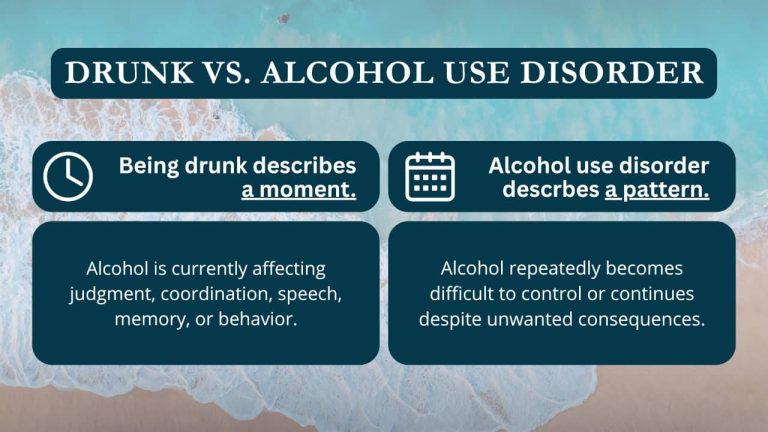
An isolated episode after a night of excessive drinking does not automatically mean someone has alcohol use disorder.
However, repeated wetting the bed after drinking alcohol can sometimes be one symptom among many that indicate drinking has become problematic.
A One-Time Accident vs. a Recurring Pattern
Occasional accidents usually happen after unusually heavy drinking.
Recurring accidents are different.
If bed wetting occurs regularly, especially alongside increasing alcohol use, it may suggest:
- Higher alcohol tolerance
- More frequent binge drinking
- Loss of control over drinking
- Greater physical dependence
The question isn’t simply whether you wet the bed—it’s whether alcohol is repeatedly causing problems in your life.
Other Signs Worth Paying Attention To
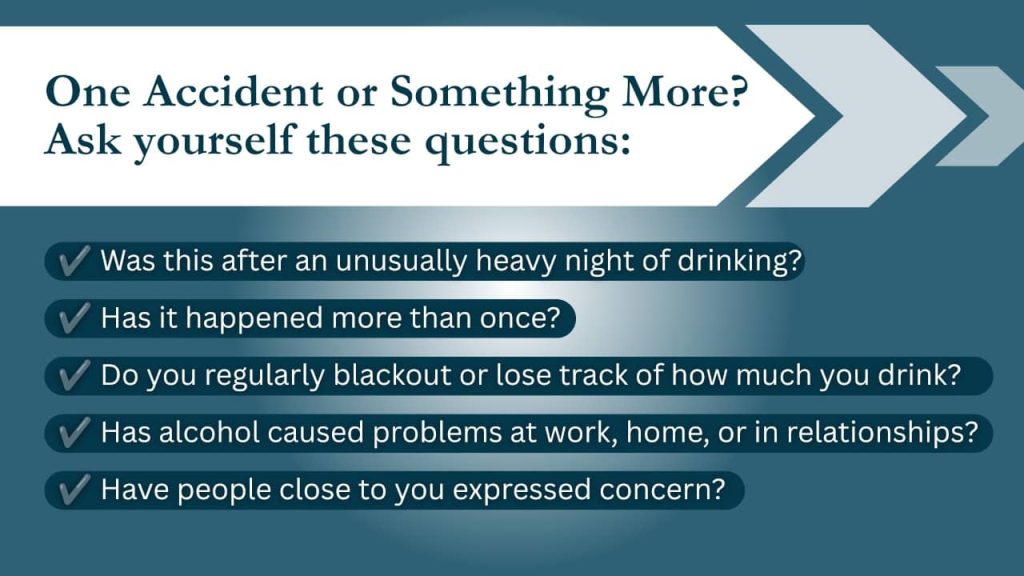
Ask yourself honestly:
- Have you tried to cut back but couldn’t?
- Do you drink more than you intended?
- Have friends or family expressed concern?
- Do you continue drinking despite negative consequences?
- Are hangovers becoming more severe?
- Do you hide or minimize how much you drink?
- Have blackouts become more common?
If multiple signs sound familiar, you should definitely consult with a healthcare professional.
How to Stop Wetting the Bed When You Drink
If alcohol-related bed wetting has happened once or twice, there are practical steps that may reduce the risk.
Drink less alcohol.
The single most effective way to reduce peeing the bed when drunk is reducing alcohol consumption. The less alcohol your body has to process, the less it interferes with bladder function, sleep, and hormone regulation.
Stop drinking earlier in the evening.
Giving your body several hours to metabolize alcohol before bedtime allows some of its effects to wear off before you fall asleep.
Stay hydrated.
Alternate alcoholic beverages with water throughout the evening. Proper hydration helps reduce dehydration while encouraging more balanced kidney function.
Empty your bladder before bed.
Even if you don’t feel a strong urge, using the restroom immediately before going to sleep can decrease the amount of urine in your bladder overnight.
Avoid mixing alcohol with sleep medications.
Sedatives can make it even harder for your brain to respond to bladder signals during sleep.
Pay attention if it keeps happening.
If you’re repeatedly searching how to stop wetting the bed when drunk, it may be time to look beyond symptom management and examine your relationship with alcohol itself.
When Bed Wetting Points to a Bigger Health Concern
Alcohol isn’t always the only cause.
Sometimes nighttime accidents occur alongside other symptoms that deserve medical evaluation.
Burning Urine, Infections, and Dehydration
Many people also ask, “Can alcohol make your pee burn?”
The answer is yes—it can.
Alcohol contributes to dehydration, making urine more concentrated. Concentrated urine can irritate the bladder and urethra, creating burning or discomfort while urinating.
However, burning urination may also indicate:
- Urinary tract infections (UTIs)
- Kidney infections
- Sexually transmitted infections
- Bladder inflammation
- Kidney stones
If burning, fever, blood in the urine, or severe pain occur, seek medical evaluation promptly rather than assuming alcohol is the only cause.
What Long-Term Drinking Can Do to the Bladder
Chronic heavy drinking affects more than just the liver.
Over time, excessive alcohol use may contribute to:
- Chronic dehydration
- Nerve damage affecting bladder control
- Poor muscle coordination
- Increased risk of urinary incontinence
- Sleep disorders that worsen nighttime accidents
Alcohol-related nerve damage, sometimes called alcoholic neuropathy, can affect the communication between the brain and bladder, making urinary control increasingly difficult.
Repeated wet bed after drinking alcohol episodes should never be dismissed as simply “getting older.”
Finding Support When Drinking Feels Hard to Control
If you’ve found yourself repeatedly searching:
- Why do I pee the bed when I drink?
- Every time I drink alcohol, I pee the bed.
- Is it normal to pee yourself when drunk?
…it may be worth asking a deeper question:
Is alcohol beginning to control my life?
Bed wetting is rarely the biggest problem, but it can be an early warning sign that alcohol is affecting your health, sleep, relationships, and overall quality of life.
Many people delay seeking help because they worry they’ll be judged or because they believe their drinking “isn’t bad enough.” In reality, treatment isn’t reserved for people who have lost everything. The earlier someone seeks support, the easier recovery often becomes. For many people that starts with a confidential conversation with an alcohol rehab in Hawaii that treats the whole person, not just the drinking.
Whole-Person Recovery at The Ohana
At The Ohana on Hawaii’s Big Island, we believe lasting recovery requires much more than simply stopping alcohol use. We help clients understand why alcohol became part of their lives while giving them healthier tools to move forward.
Every treatment plan is personalized and may include:
- Evidence-based therapies such as Cognitive Behavioral Therapy (CBT), Dialectical Behavior Therapy (DBT), Psychodynamic Therapy, and individual and group counseling to address the underlying emotional and behavioral patterns that contribute to alcohol misuse.
- Holistic therapies including yoga, meditation, mindfulness, massage therapy, acupuncture, ecopsychology, and art therapy to reduce stress, restore nervous system balance, and promote whole-person healing.
- Adventure therapy that takes advantage of Hawaii’s extraordinary natural environment through activities such as hiking, snorkeling, ziplining, ocean excursions, volcano adventures, and cultural experiences. These activities help clients build confidence, resilience, healthy relationships, and a renewed sense of purpose.
- Medical support for individuals who require supervised alcohol detox, ensuring withdrawal is managed safely and comfortably before deeper therapeutic work begins.
Our peaceful campus overlooks the Kona Coast and provides an environment intentionally designed to reduce stress and promote healing. Surrounded by tropical forests, ocean views, walking trails, gardens, and outdoor wellness spaces, clients are able to step away from everyday triggers and focus fully on recovery.
If alcohol is causing recurring problems—including wetting the bed after drinking alcohol, blackouts, anxiety, relationship difficulties, or loss of control—you don’t have to navigate it alone.
Recovery is possible, and with compassionate support, lasting change can begin today.