Are You Really an Occasional Drinker? Questions Worth Asking About Your Alcohol Use
For many people, alcohol fits into life as an occasional part of celebrations, dinners, vacations, or social gatherings. But terms like “casual drinker,” “social drinker,” and “occasional drinker” are often used interchangeably, making it difficult to understand what they actually mean.
If you’ve ever wondered, What is an occasional drinker? or questioned whether your own habits still fall into that category, you’re not alone. The answer isn’t always straightforward.
While drinking occasionally doesn’t automatically indicate a problem, frequency isn’t the only factor that matters. How much you drink, why you drink, and how alcohol affects your health and relationships all contribute to the bigger picture.
Understanding the difference between occasional alcohol use and potentially problematic patterns can help you make informed decisions about your health—and recognize when it may be time to take a closer look.
What Counts as Occasional Drinking?
So, what is considered occasional drinking?
Generally speaking, an occasional drinker is someone who consumes alcohol infrequently rather than as a regular part of daily or weekly life. They may drink at weddings, holiday gatherings, dinners out, vacations, or special celebrations, but alcohol isn’t something they routinely rely on.
Importantly, there is no universally accepted medical definition of what is occasional drinking. Instead, healthcare providers often look at both frequency and quantity to understand someone’s relationship with alcohol.
How Often Does an Occasional Drinker Actually Drink?
One person might have a drink once every few months and consider themselves an occasional drinker. Another may have a drink once or twice a month.
In general, an occasional drinker tends to:
- Go extended periods without drinking
- Not feel preoccupied with alcohol
- Be comfortable declining drinks
- View alcohol as optional rather than expected
The key distinction is that alcohol does not play a central role in their routine or emotional coping.
What Counts as One Drink?
Many people unintentionally underestimate how much they’re consuming because they aren’t familiar with standard drink sizes.
In the United States, one standard drink generally equals:
- 12 ounces of regular beer
- 5 ounces of wine
- 1.5 ounces of distilled spirits
Restaurant pours, mixed drinks, and craft beverages often contain more than one standard serving, which can make it easier to consume more alcohol than intended.
Occasional Drinker vs. Social Drinker vs. Casual Drinker
The terms occasional drinker, social drinker, and casual drinker are often used interchangeably, but they don’t necessarily describe the same behavior.
A social drinker primarily drinks in social settings. Alcohol use tends to occur with friends, coworkers, celebrations, or gatherings.
A casual drinker generally describes someone whose alcohol use is relaxed and infrequent. They may enjoy a drink occasionally but don’t organize their lives around it.
An occasional drinker focuses more specifically on frequency. The defining feature is that alcohol consumption happens sporadically rather than regularly.
Of course, people don’t always fit neatly into one category. Someone can be both a social and occasional drinker. Others may identify as casual drinkers while noticing that alcohol has quietly become more frequent over time.
Is Occasional Drinking Safe? What Current Research Says
Many people assume that if they only drink occasionally, there are no health risks involved.
The reality is more nuanced.
Current research suggests that alcohol affects the body even at lower levels of consumption, although the degree of risk often depends on factors such as age, health history, genetics, medications, and drinking patterns.
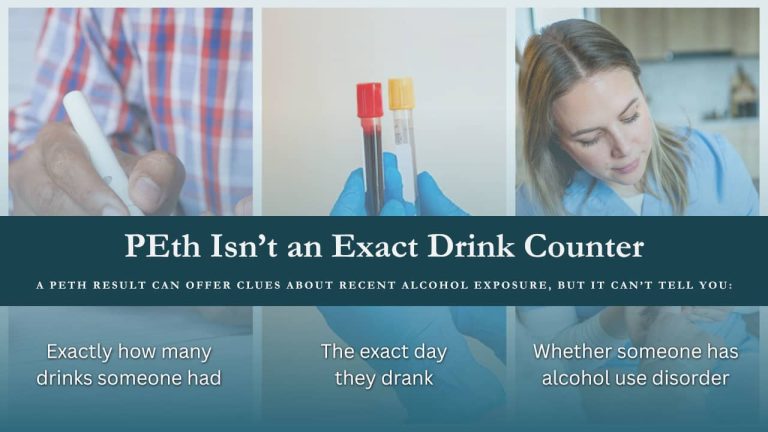
For some people, drinking occasionally may not lead to significant consequences. For others, even infrequent alcohol use can contribute to sleep disruption, medication interactions, or heightened health risks. It can also leave a measurable trace, since a PEth test can sometimes detect occasional drinking for days afterward.
Side Effects of Drinking Beer, Wine, or Spirits Occasionally
The side effects of drinking beer occasionally—or consuming wine or liquor infrequently—can still be noticeable.
Some people experience:
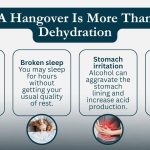
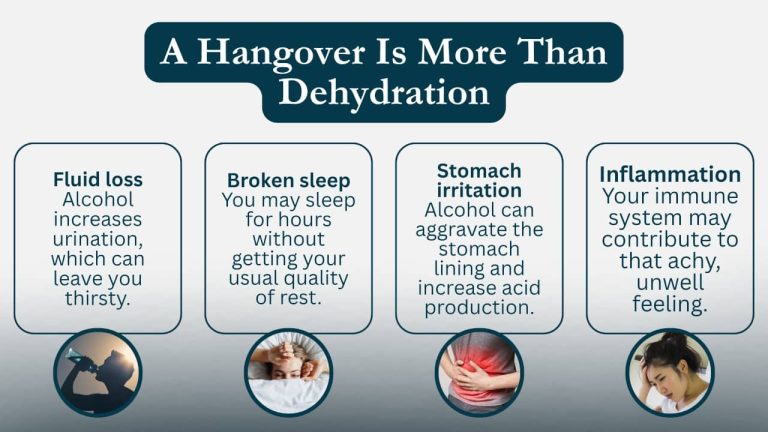
- Headaches or dehydration
- Disrupted sleep quality
- Digestive discomfort
- Temporary increases in anxiety
- Fatigue the following day
- Mood fluctuations
Even a small amount of alcohol can affect coordination, reaction time, and judgment, particularly if consumed quickly or on an empty stomach.
Why Even “Just Sometimes” Can Affect Your Body
Alcohol influences multiple systems throughout the body.
Even occasional use may temporarily affect:
- Sleep cycles and REM sleep
- Blood sugar regulation
- Mood and stress hormones
- Heart rate and blood pressure
- The body’s inflammatory response
While these effects may be short-lived, they highlight why frequency alone doesn’t determine alcohol’s impact.
When Occasional Drinking Becomes Occasional Binge Drinking
One area that often gets overlooked is occasional binge drinking.
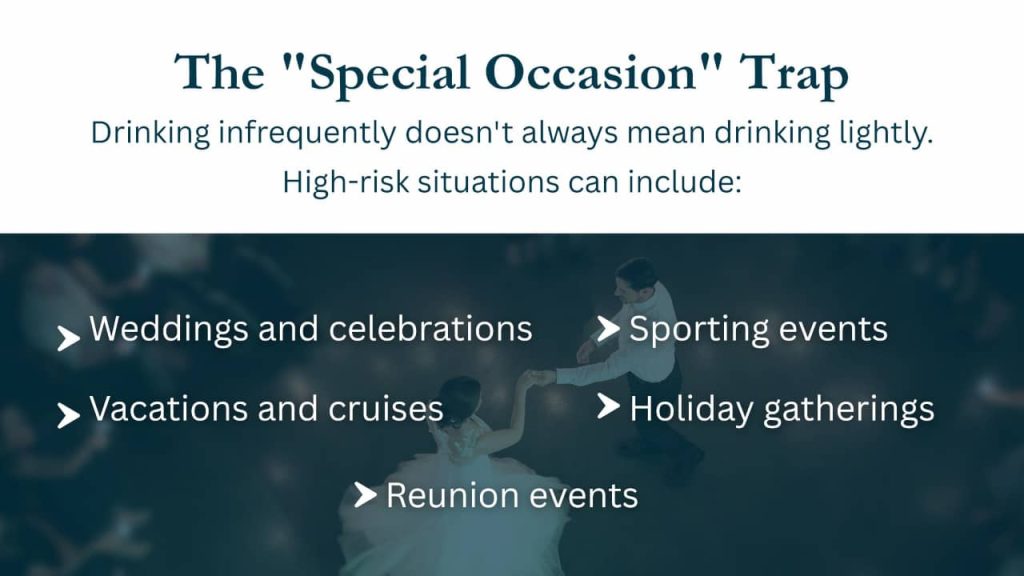
Someone may only drink a few times a month—or even a few times a year—but consume large quantities during those occasions.
Because the overall frequency feels low, the risks can be easy to dismiss.
What Binge Drinking Actually Looks Like
Binge drinking isn’t defined by intoxication alone. Instead, it refers to a pattern of drinking that raises blood alcohol concentration rapidly.
In general, binge drinking means consuming:
- Four or more drinks for women
- Five or more drinks for men
within approximately two hours.
Examples might include:
- Celebratory nights out
- Weddings
- Sporting events
- Vacations
- Holiday parties
The Risk of Even One Heavy Episode
Even isolated episodes of heavy drinking can increase the risk of:
- Accidents and injuries
- Alcohol poisoning
- Dangerous decision-making
- Falls and motor vehicle crashes
- Medication interactions
- Cardiovascular stress
In other words, drinking infrequently doesn’t necessarily eliminate risk if large amounts are consumed at once.
Can Someone in Recovery Return to Occasional Drinking?
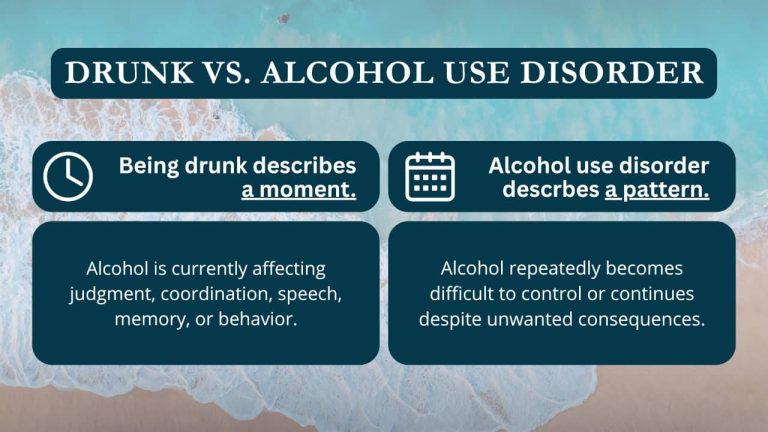
For people without a history of addiction, the idea of being an occasional drinker may feel relatively straightforward. But for someone in recovery from alcohol use disorder, the question becomes much more complicated.
Many people wonder whether it’s possible to return to drinking occasionally after a period of sobriety. The honest answer is that while someone can physically choose to drink again, research and clinical experience suggest that moderate or occasional drinking is often difficult to sustain after addiction.
Why Recovery Changes the Equation
Alcohol use disorder changes the brain’s reward system in ways that can persist long after someone stops drinking. Even after months or years of sobriety, reintroducing alcohol can reactivate cravings, old thought patterns, and behaviors that once felt impossible to control.
For this reason, many people in long-term recovery find that complete abstinence offers greater freedom and stability than trying to monitor or limit alcohol use.
Quiet Signs Your Occasional Drinking May Be Shifting
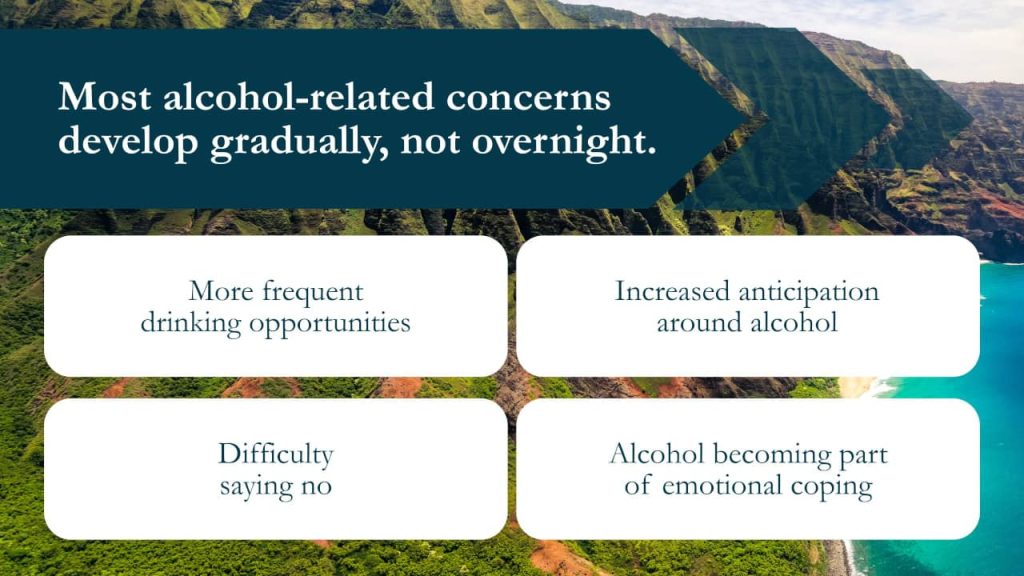
Most changes in alcohol use happen gradually.
Someone who once comfortably identified as an occasional drinker may begin noticing subtle shifts.
Alcohol Is Showing Up More Often
Perhaps drinks that used to happen only during celebrations are now becoming weekly occurrences.
You may notice yourself finding more reasons to drink—or feeling disappointed when alcohol isn’t available.
You Think About Drinking More Than You Used To
One sign worth paying attention to is anticipation.
Are you looking forward to alcohol throughout the week? Planning events around drinking opportunities? Feeling that certain situations won’t be enjoyable without it?
These shifts can signal that alcohol is taking up more emotional space.
It Feels Harder To Skip
An occasional drinker can typically take alcohol or leave it.
If choosing not to drink starts feeling frustrating, anxiety-provoking, or unusually difficult, it may be worth exploring why.
You Use Alcohol To Manage Emotions
Perhaps the most important question is this:
Are you drinking primarily for enjoyment—or to cope?
Using alcohol to manage stress, loneliness, boredom, sadness, or anxiety can gradually change the role it plays in your life.
Taking an Honest Look at Your Drinking
For many people, this isn’t about labels.
It’s about curiosity.
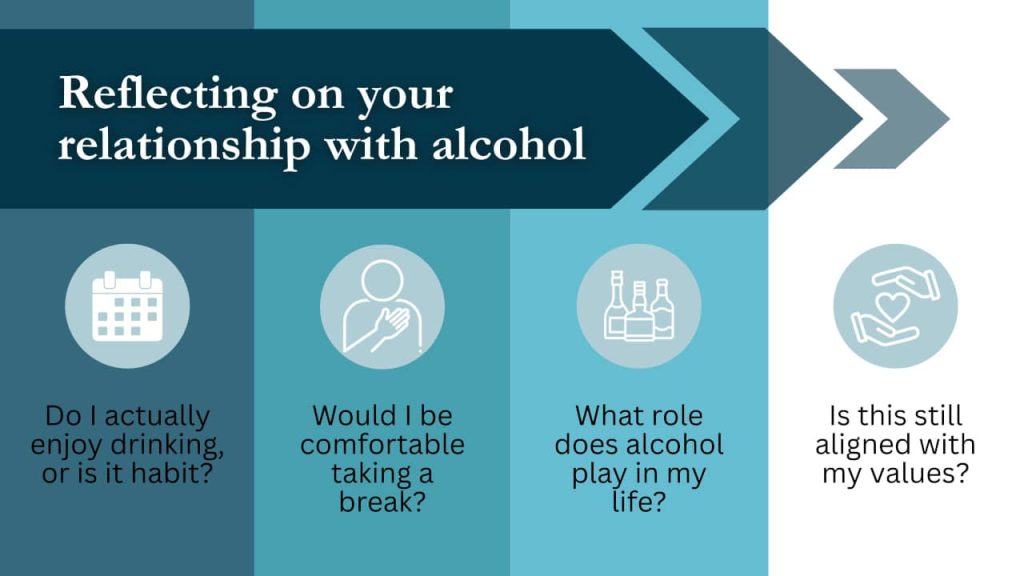
Asking questions like:
- Why am I drinking?
- How do I feel when I don’t?
- Has this changed over time?
- Am I comfortable with the role alcohol plays in my life?
can offer valuable insight.
Sometimes those answers provide reassurance. Other times, they reveal opportunities for change.
Neither outcome requires shame.
What To Do If You’re Concerned
If you’re beginning to question your drinking habits, consider starting small.
You might try:
- Taking a break from alcohol and noticing how you feel
- Tracking how often and why you drink
- Exploring alternative ways to manage stress
- Talking with someone you trust
- Speaking with a healthcare provider or therapist
Early awareness often makes change feel more manageable.
How The Ohana Hawaii Supports Healthier Relationships With Alcohol
At The Ohana Hawaii, people don’t have to wait until they’ve hit a dramatic “rock bottom” to seek support.
Many clients come to treatment simply because they’ve noticed that alcohol is taking up more space in their lives than they’d like.
Through a combination of evidence-based and holistic approaches, The Ohana helps individuals better understand the role alcohol plays in their emotional well-being and daily routines.
Clients may engage in therapies such as:
- Cognitive Behavioral Therapy (CBT)
- Dialectical Behavioral Therapy (DBT)
- Trauma-informed care
- Individual and group therapy
- Family sessions when appropriate
The Ohana also incorporates holistic practices including mindfulness, yoga, meditation, art therapy, massage, sound healing, and ecopsychology to support whole-person healing.
Whether someone is exploring moderation, questioning long-standing habits, or seeking recovery from alcohol use disorder, treatment at our Hawaii alcohol rehab center is individualized and grounded in compassion.
Rethinking Your Relationship With Alcohol
Being an occasional drinker doesn’t automatically mean there’s cause for concern. Many people consume alcohol infrequently without significant consequences.
But frequency isn’t the only measure that matters.
Understanding what is considered occasional drinking, recognizing the difference between occasional drinker vs social drinker patterns, and paying attention to how alcohol fits into your emotional life can provide important insight.
If your relationship with alcohol has changed—or if you’re simply wondering whether it’s still serving you well—curiosity can be a powerful first step.
At The Ohana Hawaii, support is available for anyone looking to better understand their drinking habits and build a healthier, more intentional path forward.