For many people, having a drink after work feels completely normal. It can seem like a simple way to transition out of “work mode,” release stress, or create a small moment of relief at the end of a long day.
A beer while making dinner. A glass of wine on the couch. Meeting coworkers for happy hour. In many environments, after work drinking is not only accepted—it’s expected.
But over time, what begins as a habit can quietly become something more automatic, more emotionally necessary, and harder to stop than someone realizes.
Not everyone who enjoys a drink after work has a problem with alcohol. But when drinking becomes the primary way someone copes with stress, anxiety, loneliness, or emotional exhaustion, it may be worth paying attention to the role alcohol is starting to play.
Understanding the difference between a routine and a dependency can help people recognize unhealthy patterns early—before they become more difficult to change.
Why So Many People Reach for a Drink After Work
There’s a reason drinking after work is so common. Modern life is stressful, fast-paced, and emotionally demanding. For many people, alcohol becomes associated with relief.
Over time, the brain begins connecting the end of the workday with the expectation of a drink. That connection can become deeply ingrained, even if someone doesn’t initially think of their drinking as problematic.
The Culture of After-Work Drinking
In many workplaces and social environments, alcohol is woven directly into how people relax and connect.
Happy hours, networking events, team celebrations, and casual drinks with coworkers can make after work drinking culture feel completely normal. In some industries, drinking becomes part of professional bonding or stress management.
Because the behavior is socially reinforced, it can be difficult to recognize when the pattern starts becoming unhealthy. Someone may compare themselves to others and assume their drinking is “fine” simply because the people around them drink similarly.
Why You May Crave a Beer the Moment You Get Home
If you’ve ever wondered, why do I crave beer after work? the answer is often both psychological and biological.
Alcohol temporarily increases dopamine and can create a short-lived sense of relaxation or emotional relief. After repeating this cycle enough times, the brain starts anticipating alcohol as part of the end-of-day routine.
Eventually, simply pulling into the driveway, changing clothes, or finishing work may trigger cravings automatically. The body and brain begin expecting alcohol as the reward for getting through the day.
That doesn’t necessarily mean addiction is already present—but it does mean the habit is becoming conditioned.
When Drinking After Work Starts to Become a Problem
Many people assume that alcohol problems only exist when someone drinks heavily or experiences obvious consequences. In reality, problematic drinking often develops gradually.
The transition can be subtle:
- One drink becomes two
- Weekends expand into weekdays
- Drinking becomes more frequent or emotionally necessary
Over time, the line between “wanting a drink” and “needing one to unwind” can become harder to distinguish.
Can You Get Addicted to Beers After Work?
Yes—you can get addicted to beers after work, especially if alcohol becomes your primary coping mechanism for stress or emotional discomfort.
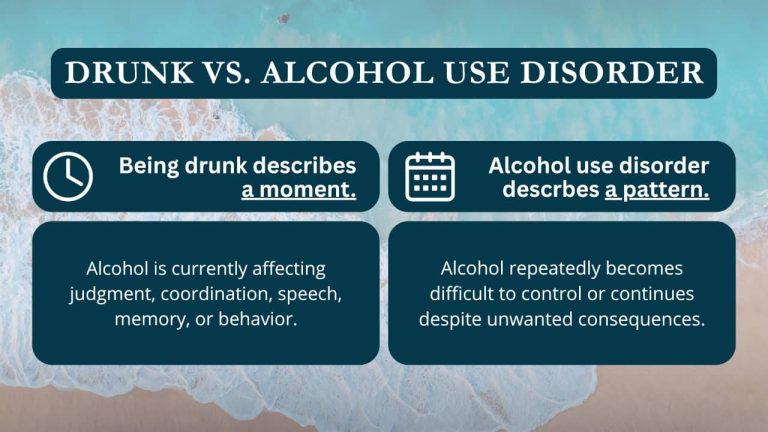
Addiction is not defined only by how much someone drinks. It also involves:
- Psychological dependence
- Cravings
- Loss of control
- Difficulty stopping despite consequences
Someone may not appear outwardly intoxicated or out of control while still developing an unhealthy dependency on alcohol.
This is particularly common among high-functioning adults who continue meeting responsibilities while privately relying on alcohol more heavily over time.
How Drinking Every Day After Work Adds Up
One of the biggest misconceptions about alcohol use is that moderate daily drinking is always harmless.
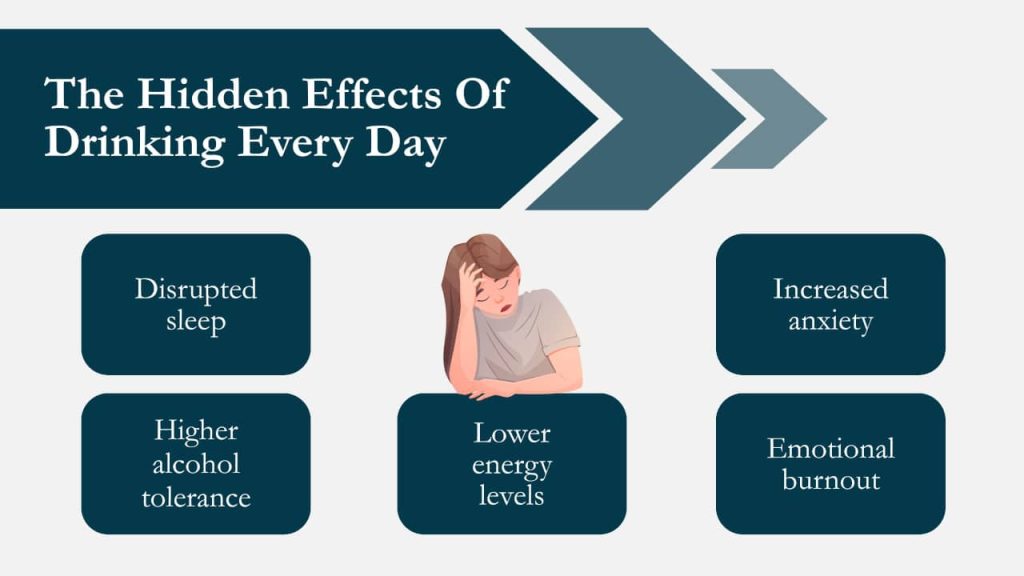
But drinking every day after work can slowly affect:
- Sleep quality
- Mood regulation
- Anxiety levels
- Physical health
- Emotional resilience
Even small amounts consumed consistently can impact the nervous system and reinforce emotional dependence.
What feels like “taking the edge off” can gradually become a cycle where the body starts struggling to relax without alcohol at all.
Signs the After-Work Drink Has Stopped Being a Choice
One important question to ask is: does drinking still feel optional?
There are several warning signs that drinking after work may be shifting from habit into dependency.
You Feel Irritable Without It
If skipping alcohol leaves you unusually restless, anxious, frustrated, or emotionally uncomfortable, it may indicate growing psychological dependence.
Many people begin noticing they are not simply drinking because they enjoy it—they’re drinking because they feel off without it.
Your Drinking Is Increasing Over Time
Tolerance builds gradually. Someone who once felt satisfied with one beer after work may slowly begin drinking more frequently or in larger amounts to achieve the same effect.
This progression often happens subtly enough that people don’t fully notice it at first.
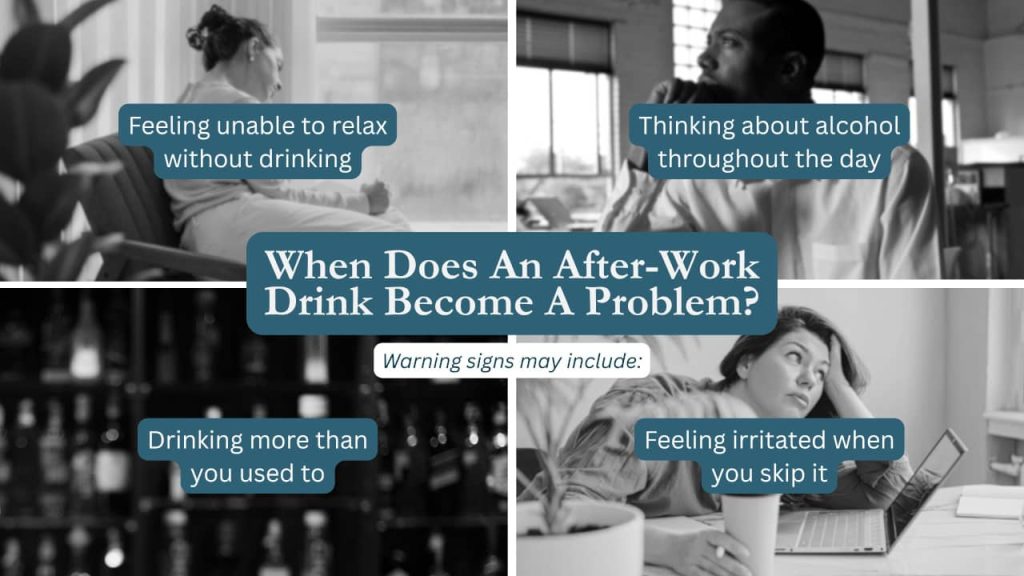
You Think About Alcohol Throughout the Day
Another sign is when alcohol becomes mentally preoccupying.
You may:
- Look forward to drinking all day
- Feel disappointed if you can’t drink
- Structure evenings around alcohol
- Experience cravings during stressful moments at work
This shift can indicate that alcohol is becoming emotionally central rather than occasional.
Alcohol Feels Like the Only Way to Relax
One of the clearest warning signs is when someone no longer knows how to unwind without alcohol.
If stress, boredom, loneliness, or emotional discomfort immediately trigger the urge to drink, the nervous system may have become dependent on alcohol for regulation.
Healthier Ways to Unwind After a Long Day
For many people, reducing alcohol use is not just about removing something—it’s about replacing it with healthier forms of relief and regulation.
The goal is not simply to stop drinking. It’s to build a life where alcohol is no longer the primary solution for stress.
Practical Swaps for the Evening Routine
Changing routines can help interrupt conditioned patterns around after work drinking.
Some people benefit from:
- Going for a walk immediately after work
- Drinking sparkling water or non-alcoholic alternatives
- Taking a shower or changing environments
- Cooking dinner while listening to music or podcasts
- Exercising or stretching to release physical tension
The key is creating new rituals that signal “the workday is over” without relying solely on alcohol.
Building Real Tools for Stress, Not Just a Drink
Alcohol may temporarily numb stress, but it rarely resolves it.
Long-term emotional resilience comes from developing healthier coping strategies such as:
- Mindfulness or meditation
- Therapy or emotional support
- Physical movement
- Creative outlets
- Better sleep habits and nervous system regulation
Learning how to process stress directly—rather than escape it—often leads to deeper and more sustainable relief.
The Power Of Habits In Recovery
Many after-work drinking patterns begin as habits long before they become dependencies. The brain naturally looks for routines that feel rewarding or relieving, which is why repeated behaviors can become automatic over time.
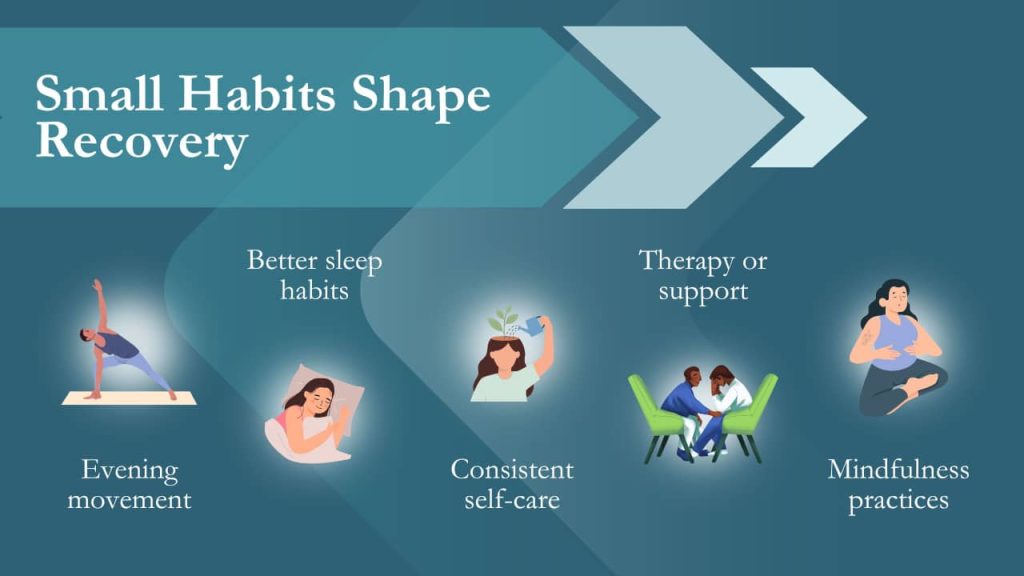
Building healthier habits is an important part of long-term change. Small routines—like movement after work, mindfulness practices, cooking healthy meals, or connecting with supportive people—can help retrain the brain to find comfort and regulation in ways that don’t depend on alcohol.
When It’s Time to Consider Professional Support
Not everyone who drinks after work needs treatment. But there are moments when it becomes important to ask whether alcohol is beginning to take up too much space emotionally, mentally, or physically.
Some signs it may be time to seek support include:
- Repeated failed attempts to cut back
- Increased tolerance or cravings
- Drinking to cope with anxiety or stress
- Relationship or health concerns related to alcohol
- Feeling unable to relax without drinking
The earlier someone addresses these patterns, the easier they often are to change.
How The Ohana Hawaii Helps People Rebuild Healthier Coping Patterns
At The Ohana, a luxury rehab in Hawaii, recovery is not approached as punishment or restriction. It’s about understanding why alcohol became such an important coping tool in the first place—and learning healthier ways to manage life without depending on it.
The Ohana combines evidence-based therapies such as:
- Cognitive Behavioral Therapy (CBT)
- Dialectical Behavioral Therapy (DBT)
- Trauma-informed care
- Group and individual therapy
with holistic approaches that support emotional and physical regulation, including mindfulness practices, movement, wellness support, and nature-based experiences.
This whole-person approach helps clients rebuild not just sobriety, but also emotional balance, stress tolerance, and connection.
For many people, recovery begins not with a dramatic rock-bottom moment, but with the quiet realization that alcohol has become more necessary than it used to be.
The Moment to Reevaluate
A drink after work may seem harmless—and for some people, it remains that way. But when alcohol becomes the primary way someone decompresses, emotionally resets, or escapes stress, it’s worth paying attention.
The shift from routine to dependency often happens gradually.
If you’ve been wondering:
- Why do I crave beer after work?
- Can you get addicted to beers after work?
- Is drinking every day after work becoming unhealthy?
those questions alone may be worth listening to.
At The Ohana Hawaii, support is available for people at every stage of that process—whether someone is simply reevaluating their relationship with alcohol or seeking deeper recovery and healing.