Signs of a Closet Drinker: How to Recognize a Hidden Drinking Problem in Yourself or Someone You Love
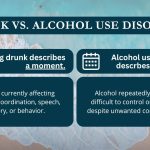
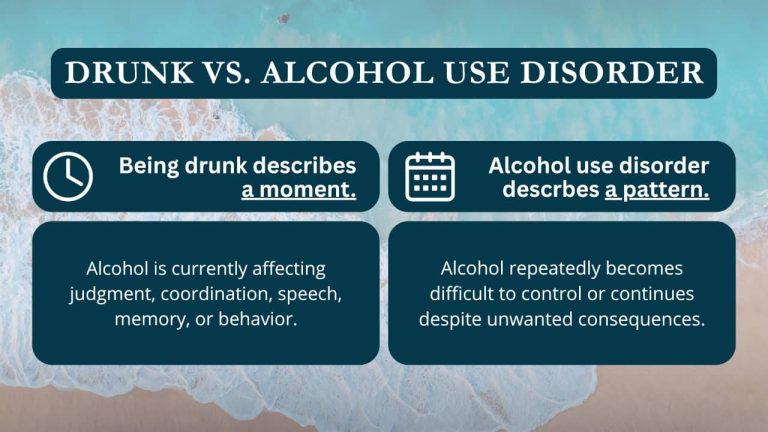
Alcohol problems do not always look the way people expect them to. Not everyone who struggles with drinking loses their job, drinks publicly, or appears visibly intoxicated. Looking drunk and being an alcoholic are two different things; what separates a drunk from an alcoholic is the pattern, not the appearance. In fact, many people who develop unhealthy relationships with alcohol work hard to keep it hidden.
That’s where the idea of a closet drinker comes in.
A person may continue showing up to work, taking care of responsibilities, or maintaining relationships while privately struggling with alcohol behind closed doors. Because the drinking is hidden, the problem can go unnoticed for months—or even years.
Understanding the signs of a closet drinker can help people recognize unhealthy patterns earlier, before the emotional, physical, and relational consequences become more severe. Whether you’re worried about someone you love that you think is suffering from alcohol use disorder, or questioning your own habits, awareness is often the first step toward change.
What Is a Closet Drinker?
A closet drinker is someone who hides or minimizes their alcohol use from other people. This may involve drinking in secret, concealing alcohol, lying about how much they consume, or trying to appear more sober than they actually are.
The goal is often to avoid judgment, concern, or confrontation.
A closet alcoholic may carefully structure their life around hiding the problem. They may drink before social events, secretly refill alcohol, dispose of bottles privately, or wait until they are alone to drink heavily.
Closet Drinker vs. High-Functioning Alcoholism
People sometimes confuse a closet drinker with someone who is “high-functioning,” but the two are not exactly the same.
A high-functioning person may still struggle with alcohol while maintaining outward success in work, parenting, or relationships. A closet drinker, however, is defined more by secrecy than performance.
Some people fall into both categories. Others may appear highly responsible on the outside while privately feeling increasingly dependent on alcohol. Often the routine looks harmless from the outside — drinking every day after work can pass as normal winding down while dependence quietly grows.
Why People Hide Their Drinking
There are many reasons people engage in secretive drinking.
For some, it comes from shame or embarrassment. They may already suspect their drinking has become unhealthy and fear what others will think if they knew the truth.
Others hide their alcohol use because they want to avoid conflict, consequences, or pressure to stop. In some cases, the secrecy becomes part of the addiction itself—allowing the person to continue drinking without fully confronting the problem.
Signs Someone Is Secretly an Alcoholic
The signs of hidden alcohol use are not always obvious at first. People who drink in secret often become skilled at masking symptoms and maintaining appearances.
Still, there are patterns that tend to emerge over time.
Increased Secrecy Around Daily Habits
One of the most common signs someone is secretly an alcoholic is increased secrecy.
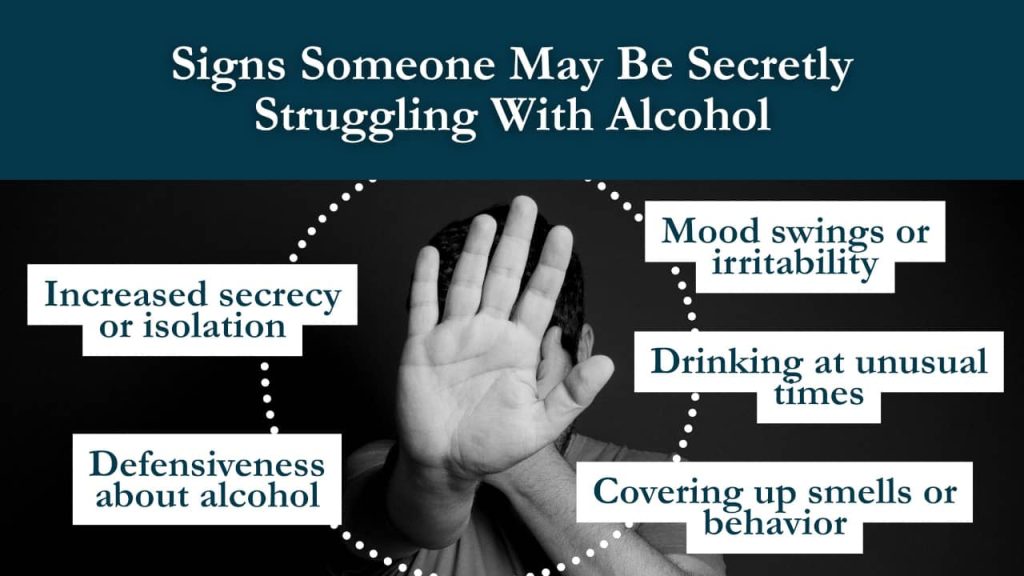
A person may become unusually private about where they’ve been, defensive when asked simple questions, or protective of bags, drawers, cars, or personal spaces. They may also isolate more frequently so they can drink without being noticed.
Drinking Alone or in Unusual Situations
A person struggling with hidden drinking may regularly consume alcohol alone rather than socially.
They may drink:
- Early in the morning
- During work hours
- Before family events
- In secret after others go to bed
Over time, alcohol becomes less about enjoyment and more about emotional regulation or avoidance.
Frequent Excuses for Smells or Behavior
Many signs of a closet alcoholic involve attempts to explain away physical evidence.
Someone may:
- Use excessive gum or mints
- Blame fatigue for mood changes
- Explain away slurred speech or poor coordination
- Frequently claim they are “just stressed” or “not feeling well”
These explanations may sound reasonable individually, but repeated patterns can signal something deeper.
Hidden Bottles or Unusual Alcohol Storage
Finding alcohol hidden in unusual places can be another indicator of secretive drinking.
People may stash alcohol:
- In closets or drawers
- In water bottles or coffee cups
- In cars, garages, or bathrooms
- In locations unlikely to be checked by others
The secrecy itself often becomes emotionally exhausting for the person hiding it.
How to Tell If You’re a Closet Drinker
Sometimes the concern isn’t about someone else—it’s personal.
People often assume they would “know” if they had a problem with alcohol. But hidden drinking can develop gradually, making it difficult to recognize patterns clearly.
You Feel Relief When You Can Finally Drink Alone
One sign of a closet drinker is looking forward to opportunities to drink privately.
If alcohol consistently feels like the only way to relax, decompress, or emotionally shut off, it may be worth paying attention to that relationship.
You Minimize or Hide How Much You Drink
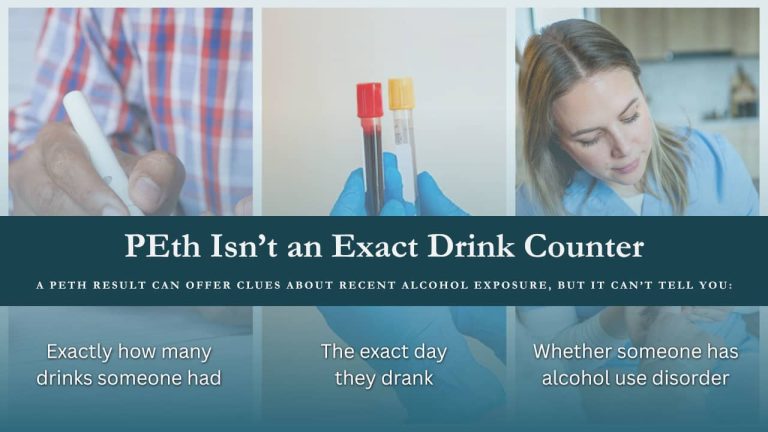
Do you pour stronger drinks when no one is watching? Replace bottles before anyone notices? Downplay how much alcohol you’ve had? Do you find yourself researching how far back a PEth test can detect alcohol before a medical appointment or screening?
These behaviors can indicate discomfort around your drinking habits—even if you haven’t fully admitted it to yourself yet.
You Worry About Other People Finding Out
Another common sign is anxiety around being “discovered.”
You may feel nervous about:
- Someone smelling alcohol on you
- Empty bottles being found
- Questions about your drinking habits
- Running out of alcohol unexpectedly
That constant mental effort can become emotionally draining over time.
Drinking Feels Less Like a Choice
One of the clearest warning signs is when drinking no longer feels fully voluntary.
If you’ve repeatedly tried to cut back, promised yourself you’d drink less, or found yourself returning to alcohol despite negative consequences, it may signal that the relationship with alcohol has shifted.
The Real Cost of Drinking in Secret
Hidden drinking often allows people to avoid consequences temporarily—but the emotional and physical impact still builds over time.
Emotional Isolation and Shame
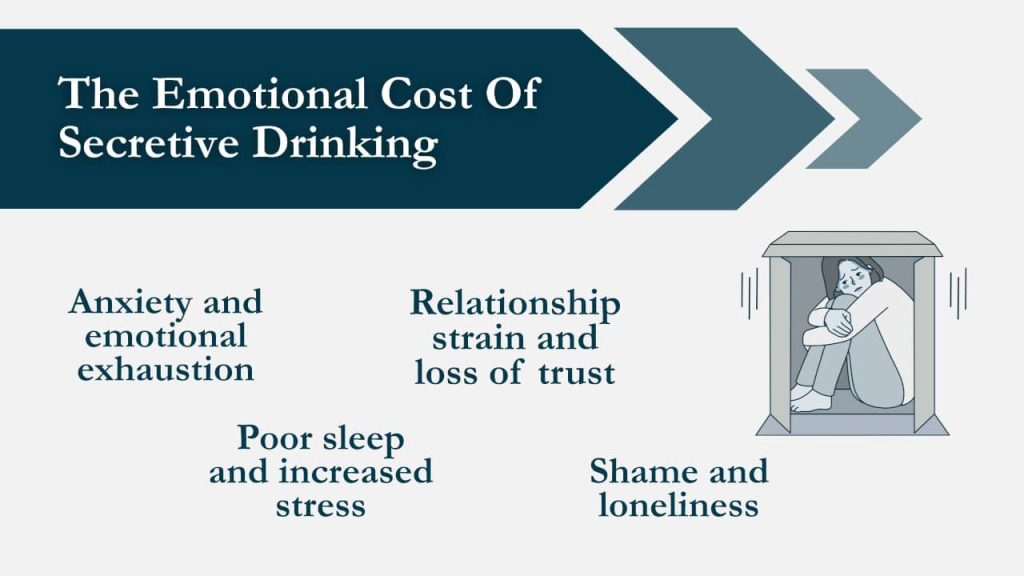
Many people who engage in secretive drinking describe feeling deeply alone.
Keeping alcohol use hidden creates distance in relationships. Even when surrounded by others, someone may feel disconnected because they are constantly managing a secret.
That secrecy often feeds shame, which in turn can fuel more drinking.
Anxiety, Sleep Problems, and Emotional Burnout
Alcohol may temporarily numb stress or trauma, but over time it tends to worsen anxiety, disrupt sleep, and increase emotional instability.
Many people who hide their drinking experience:
- Poor sleep quality
- Increased irritability
- Mood swings
- Emotional exhaustion
Eventually, the effort required to maintain appearances becomes overwhelming.
Relationship Strain and Loss of Trust
Even when loved ones don’t fully understand what’s happening, they often sense that something feels “off.”
Missed responsibilities, emotional distance, defensiveness, or dishonesty can gradually erode trust in relationships. In many cases, the secrecy itself becomes just as painful as the drinking.
How to Help a Loved One Who Drinks in Secret
Discovering that someone you love may be hiding alcohol use can bring up anger, sadness, confusion, or fear.
How you respond matters.
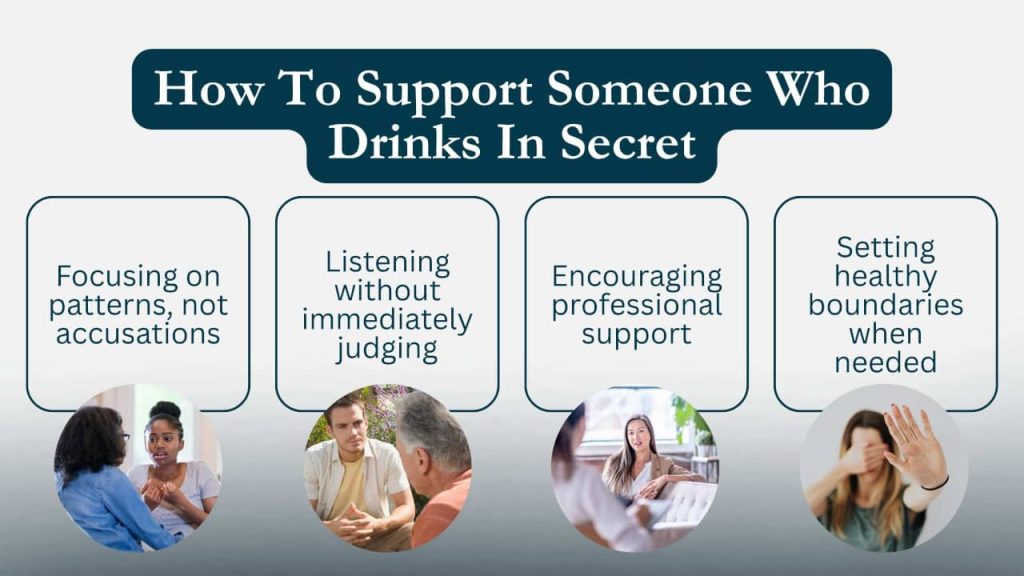
Focus on Patterns, Not Accusations
Rather than trying to “catch” someone in the act, focus on observable patterns and your concerns.
Statements like:
- “I’ve noticed you seem more withdrawn lately.”
- “I’m worried about how stressed you’ve been.”
- “I care about you and want to understand what’s going on.”
are often more productive than direct accusations.
Avoid Shame-Based Conversations
Shame rarely motivates meaningful change. In fact, it often pushes people deeper into secrecy.
Approaching the conversation with calm concern instead of anger or humiliation increases the likelihood that someone will eventually open up.
Encourage Professional Support
Hidden drinking is still alcohol misuse—and it deserves support just like any other form of addiction.
Therapy, treatment programs, support groups, and medical professionals can help someone address not only the drinking itself, but also the emotional patterns beneath it.
Therapy, treatment programs, support groups, and medical professionals can help someone address not only the drinking itself, but also the emotional patterns beneath it. For some, a dedicated rehab for drinking in Hawaii provides the focused, compassionate setting that makes that work possible.
Finding Help for Hidden Drinking at The Ohana
At The Ohana Hawaii, addiction is treated with compassion, not judgment.
Many people struggling with hidden alcohol use feel ashamed because they don’t fit the stereotype of what addiction “looks like.” But addiction can affect anyone—including people who appear outwardly successful, responsible, or high-functioning.
The Ohana’s approach focuses on understanding the deeper reasons behind alcohol use while helping clients build healthier coping strategies and emotional resilience.
Evidence-Based and Holistic Support
Treatment at The Ohana combines evidence-based therapies such as:
- Cognitive Behavioral Therapy (CBT)
- Dialectical Behavioral Therapy (DBT)
- Trauma-informed therapy
- Group therapy and individualized care
Alongside clinical treatment, clients also engage in holistic practices that support nervous system regulation and emotional healing, including mindfulness, movement, nature-based experiences, and wellness-focused care.
A Safe Space to Be Honest
For many people, recovery begins with finally being able to stop hiding.
At The Ohana, clients are supported in exploring the emotional pain, stress, trauma, or patterns that contributed to their drinking—without shame or labels.
Because lasting recovery is about more than simply stopping alcohol use. It’s about learning how to live more honestly, openly, and fully connected to yourself and others.
Final Thoughts
The signs of a closet drinker are not always dramatic or obvious. Often, they show up quietly—in secrecy, emotional isolation, defensiveness, or the growing feeling that alcohol has become harder to control.
If you recognize yourself or someone you love in these patterns, you are not alone.
Hidden drinking can feel isolating, but help is available. And the earlier someone reaches out, the easier it can be to interrupt the cycle before it deepens further.
At The Ohana Hawaii, recovery begins with honesty, compassion, and support—helping people move beyond secrecy and toward a healthier, more connected life.