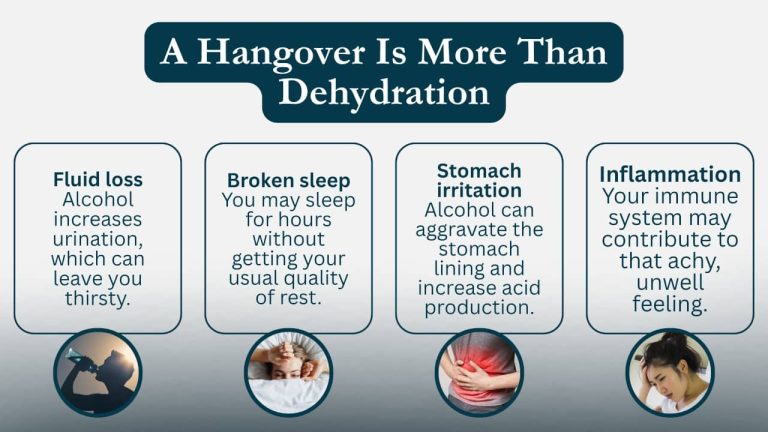

Hangovers can leave you feeling miserable: pounding headaches, fatigue, dizziness, and especially nausea. Many people also notice mood swings the next day — anxiety, irritability, and low mood as the nervous system rebounds. When the stomach upset becomes overwhelming, many people start searching for stronger solutions beyond hydration and rest. One medication that often comes up is Zofran, also known by its generic name ondansetron.
Because Zofran is commonly prescribed to treat nausea and vomiting, some people wonder whether Zofran for hangover symptoms might provide relief. While Zofran can sometimes reduce nausea, it’s important to understand what the medication does—and what it doesn’t do. Hangovers are caused by several processes happening simultaneously in the body, including dehydration, inflammation, and toxic alcohol byproducts. Zofran may help calm the stomach, but it won’t solve all of the underlying problems created by alcohol.
In this article, we’ll explore how Zofran and hangovers intersect, when the medication may help, and why safer recovery strategies often focus on addressing the root causes of hangover symptoms.
What Is Zofran, And Why Do People Use It For Hangovers?
Zofran is a prescription medication designed to prevent nausea and vomiting. It is commonly prescribed for patients undergoing chemotherapy, surgery, or certain medical treatments that trigger severe nausea.
Because hangovers often involve intense nausea, some people consider using Zofran for hangover symptoms. When nausea is the dominant symptom, medications that target the body’s nausea pathways can sometimes offer relief.
However, Zofran is not specifically intended as a hangover treatment. Doctors typically prescribe it for medical conditions where vomiting is expected or severe.
Zofran Vs. Ondansetron: Same Medication, Different Names
One reason people become confused when researching Zofran for hangover relief is that the medication is known by two names:
- Zofran is the brand name.
- Ondansetron is the generic version.
Both contain the same active ingredient and work in the same way. If someone refers to ondansetron for hangover nausea, they are talking about the same medication as Zofran.
Generic ondansetron is widely prescribed and considered safe when used correctly under medical supervision.
Why Zofran Comes Up So Often For Hangover Nausea
People searching for relief from hangover nausea often come across Zofran because of its reputation as a powerful anti-nausea medication.
Hangover symptoms frequently include:
- Persistent nausea
- Vomiting
- Sensitivity to movement
- Loss of appetite
Because Zofran blocks certain nausea signals in the brain, many people assume it may be an effective solution for hangover symptoms. While it can sometimes help reduce nausea, it does not address the underlying causes of hangovers.
Why Hangovers Cause Nausea In The First Place
To understand whether Zofran works for hangovers, it helps to understand why nausea occurs after drinking alcohol. Alcohol affects several systems in the body that contribute to stomach upset.
Alcohol, Stomach Irritation, And Dehydration
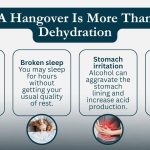
Alcohol is irritating to the lining of the stomach. When consumed in large amounts, it increases acid production and inflames stomach tissue. This irritation can cause nausea, vomiting, and abdominal discomfort.
At the same time, alcohol acts as a diuretic. It increases urine production, which leads to dehydration and electrolyte imbalance. Dehydration itself can contribute to nausea, headaches, and dizziness.
Together, stomach irritation and dehydration make the digestive system far more sensitive the morning after drinking.
The Role Of Serotonin In Nausea And Vomiting
Another key factor involves the neurotransmitter serotonin.
Serotonin plays a major role in the body’s vomiting reflex. When certain cells in the digestive tract release serotonin, they activate receptors that send nausea signals to the brain.
This is where medications like ondansetron come into play. Ondansetron works by blocking serotonin receptors associated with nausea and vomiting. By interfering with this pathway, the medication can reduce nausea signals.
This mechanism explains why Zofran for hangover nausea may sometimes help—but it also explains why it only treats one part of the hangover experience. Ginger appears to act on some of the same serotonin-related pathways, which is part of why people ask whether ginger helps a hangover as a gentler alternative.
Does Zofran Help With A Hangover?
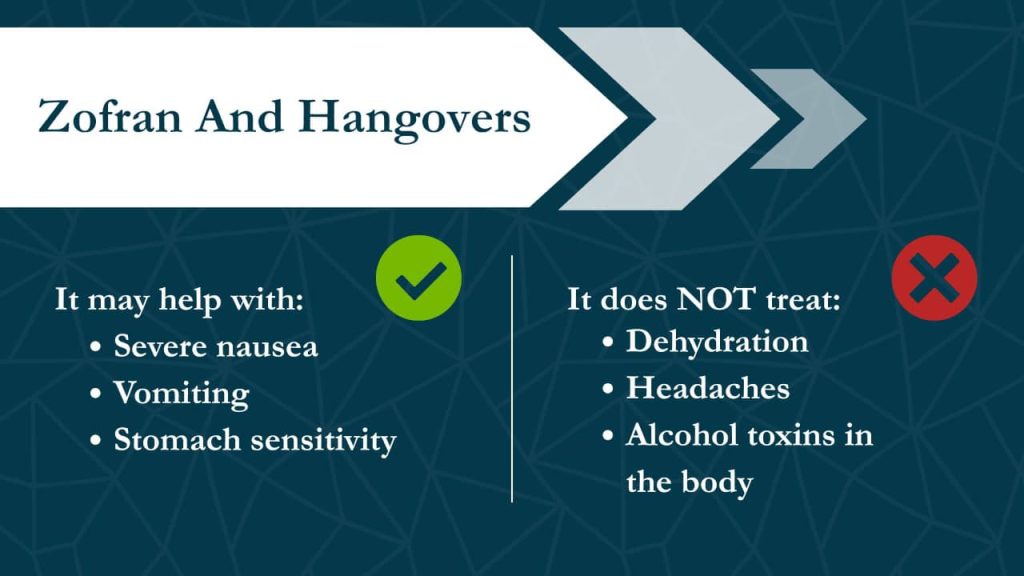
The short answer is: Zofran may help reduce nausea, but it doesn’t cure a hangover.
If nausea is the most severe symptom you’re experiencing, taking ondansetron may calm the stomach and reduce vomiting. For this reason, some people believe Zofran is good for hangovers, especially when nausea is intense.
However, Zofran does not address several major hangover causes, including:
- Dehydration
- Headaches from blood vessel changes
- Inflammation triggered by alcohol
- Fatigue from disrupted sleep
- Toxic alcohol metabolites such as acetaldehyde
Because hangovers involve multiple biological processes, a single medication rarely solves the entire problem. Zofran or ondansetron may treat one symptom rather than the overall condition.
Zofran For Hangover Dosage: What To Know
What is the proper Zofran for hangover dosage? This question highlights an important issue: Zofran is a prescription medication, and it should only be used according to medical guidance.
Doctors prescribe ondansetron at specific doses depending on the medical condition being treated. Using someone else’s medication or taking it outside medical supervision can be risky.
Why Prescription Medications Should Be Taken Only As Directed
Because ondansetron affects serotonin receptors in the brain and digestive system, it must be taken in appropriate doses. Doctors consider factors such as medical history, other medications, and health conditions before prescribing it.
Taking medications without guidance can increase the risk of side effects or drug interactions. Prescription medications should always be used under a doctor’s direction.
Why “More” Is Not Better For Hangover Relief
Some people assume that taking a higher dose of anti-nausea medication will eliminate symptoms faster. However, taking more than the recommended dose can increase the likelihood of side effects without improving effectiveness.
Medication should never be used as a shortcut to offset heavy drinking. Hangovers are a sign that the body is under significant stress, and addressing that stress safely is more effective than masking symptoms.
Side Effects, Risks, And Medication Interactions
Although ondansetron is widely used in medical settings, it can still cause side effects.
Common side effects include:
- Headache
- Constipation
- Dizziness
- Fatigue
More serious but rare side effects include heart rhythm changes, particularly in individuals with certain heart conditions.
Medication interactions are another important concern. Ondansetron can interact with other drugs that affect serotonin levels, including some antidepressants and migraine medications. Because of these risks, it’s important not to treat Zofran for hangover relief as a casual solution.
Better Hangover Recovery: What To Do Alongside Nausea Relief
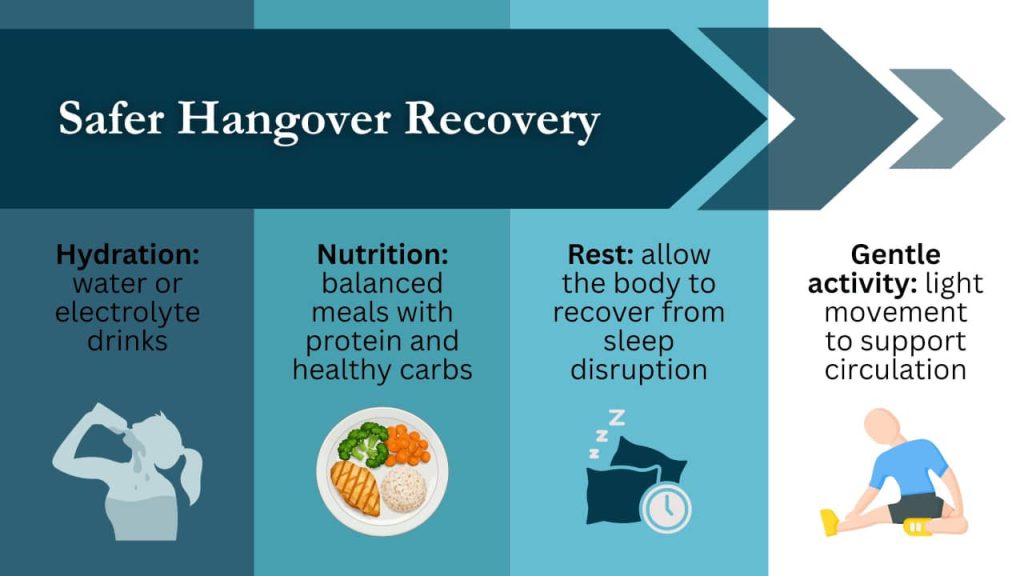
If nausea is severe, calming the stomach can help you start feeling better. But the most effective hangover recovery strategies address the underlying causes of symptoms.
Rehydration And Electrolytes
Drinking water or electrolyte beverages helps restore fluid balance and replace minerals lost during alcohol consumption.
Balanced Nutrition
Eating light, balanced foods can stabilize blood sugar and support digestion. Foods with protein, complex carbohydrates, and healthy fats can help restore energy levels.
Rest And Nervous System Recovery
Alcohol disrupts sleep cycles and leaves the body fatigued. Allowing time for rest helps the body repair itself and regain balance.
Anti-Inflammatory Support
Alcohol increases inflammation throughout the body. Nutrients like magnesium, vitamin C, and omega-3 fatty acids may help support recovery.
Together, these strategies target the core drivers of hangover symptoms, rather than just masking nausea.
When Severe Symptoms Mean It Is Time To Seek Medical Help
Occasional hangovers are common, but severe symptoms should never be ignored.
Medical attention may be necessary if someone experiences:
- Persistent vomiting
- Confusion or disorientation
- Difficulty staying awake
- Seizures
- Slow or irregular breathing
These symptoms may signal alcohol poisoning or another serious medical condition.
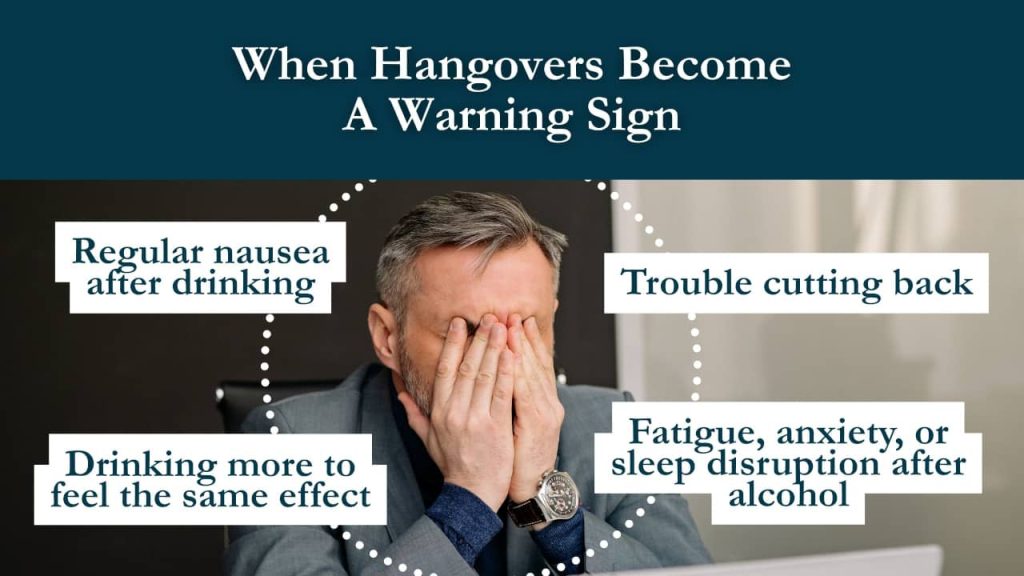
Frequent hangovers can also be a sign that alcohol is beginning to affect health in deeper ways. If someone regularly searches for solutions like Zofran for hangover nausea or wonders whether ondansetron for hangover symptoms can help them recover after drinking, it may be worth examining their relationship with alcohol more closely.
When Alcohol Use Becomes A Pattern
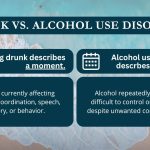
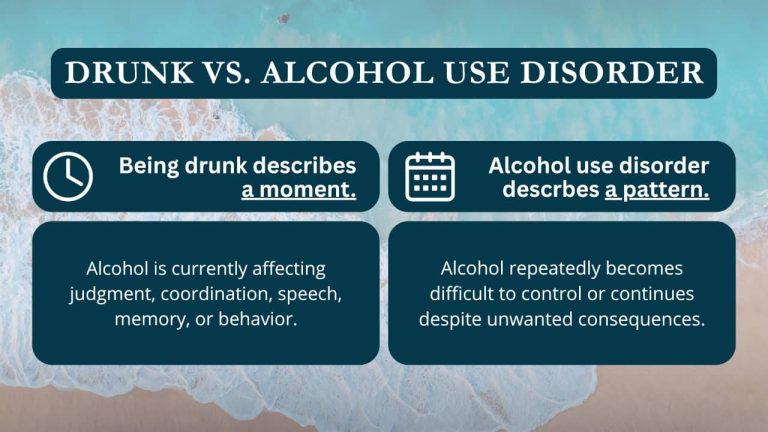
For some individuals, hangovers are an occasional inconvenience. For others, they become a recurring cycle that affects sleep, mood, and physical health.
When drinking begins to interfere with daily life—or when cutting back feels difficult—a Hawaii rehab that offers professional support can make a significant difference.
At The Ohana Hawaii, recovery is approached through a comprehensive model that combines evidence-based therapy with holistic care. Treatment programs incorporate modalities such as cognitive behavioral therapy, dialectical behavioral therapy, and trauma-informed treatment alongside mindfulness practices, yoga, and nature-based experiences.
This whole-person approach helps individuals address the deeper reasons alcohol became a coping mechanism in the first place. Instead of simply treating symptoms, recovery focuses on restoring balance to the mind, body, and spirit.
For people wondering if Zofran can relieve hangover symptoms, the deeper journey often involves discovering healthier ways to manage stress and emotions without relying on alcohol.
The Bottom Line
So, does Zofran help with hangovers?
Zofran may reduce nausea by blocking serotonin signals associated with vomiting. For people experiencing intense stomach upset, it can sometimes offer relief.
However, Zofran does not cure hangovers. It does not address dehydration, inflammation, fatigue, or the toxic byproducts created when alcohol is metabolized.
The most effective hangover recovery strategies involve hydration, nutrition, rest, and moderation in alcohol consumption.
And if hangovers are happening frequently enough that medications feel necessary just to get through the morning, that may be the body’s signal that something deeper needs attention.At The Ohana Hawaii, compassionate support and evidence-based treatment help individuals move beyond the cycle of symptoms and toward lasting health and recovery.