
Hangovers have a way of turning a fun night into a miserable morning. The pounding headache, queasy stomach, dizziness, and fatigue can make even simple tasks feel overwhelming. When people search for quick relief, medications like Dramamine often come up. But does Dramamine help with hangovers, or is it just another myth?
Dramamine is commonly used to treat motion sickness and nausea, which makes it tempting to reach for it when dealing with a hangover. While it can help certain symptoms, it’s not a cure for the underlying causes of a hangover. Understanding how Dramamine works—and what it can and can’t do—can help you make safer decisions when recovering after drinking.
In this guide, we’ll explore Dramamine for hangover symptoms, when it might help, when it may not, and healthier ways to recover from the effects of alcohol.
Can Dramamine Help With A Hangover?
The short answer: Dramamine may help with certain hangover symptoms, but it won’t solve the whole problem.
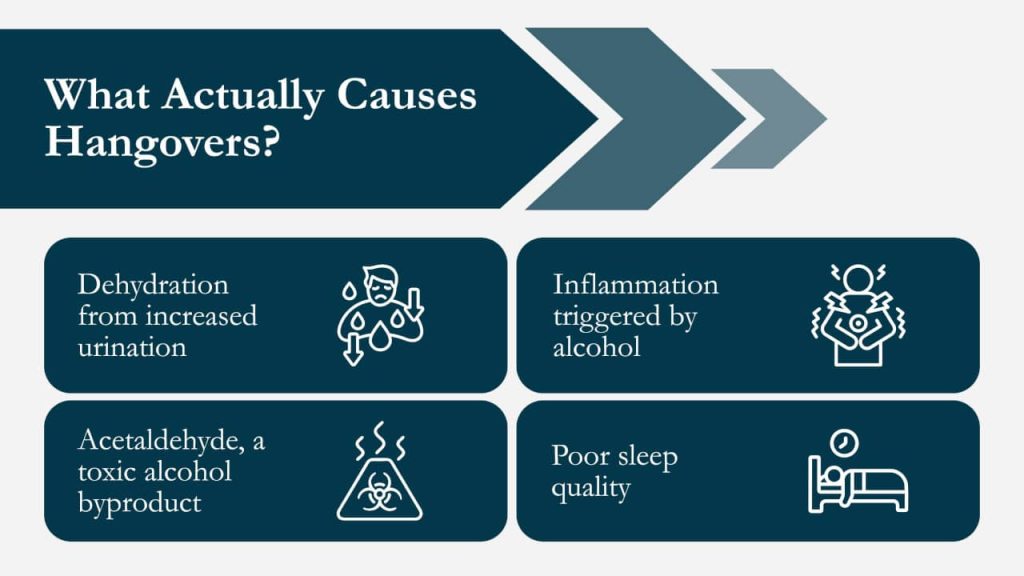
Hangovers involve several physiological processes happening at once, including dehydration, inflammation, and the buildup of toxic alcohol byproducts like acetaldehyde. Dramamine doesn’t address most of those causes directly. However, it may provide some relief from one of the most uncomfortable symptoms: nausea.
Does Dramamine Help With Nausea From A Hangover?
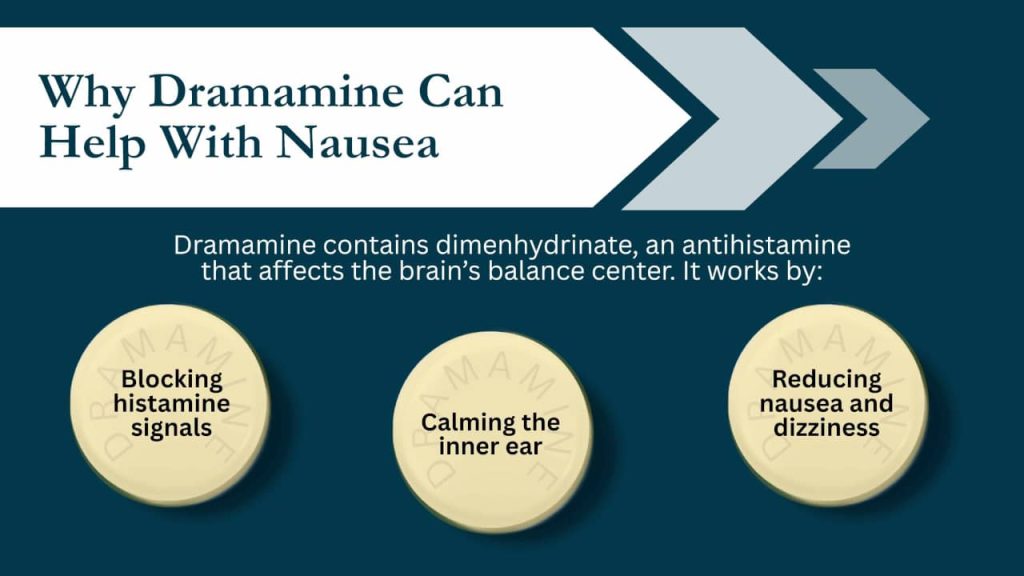
One of the main reasons people consider Dramamine and hangovers together is nausea. Dramamine (dimenhydrinate) is an antihistamine that helps reduce nausea and dizziness by affecting signals in the brain related to balance and the inner ear.
Because hangovers can involve dizziness and stomach upset, Dramamine can sometimes ease that queasy feeling. So if you’re wondering, does Dramamine help with nausea from a hangover, the answer is: sometimes, yes.
Some people report that Dramamine reduces:
- Nausea
- Motion sensitivity
- Lightheadedness
- Mild dizziness
If nausea is the most severe hangover symptom you’re experiencing, Dramamine may help you feel slightly more stable. However, it doesn’t eliminate the root causes of the hangover itself.
What It Won’t Fix: Dehydration, Headache Causes, And Alcohol Byproducts
Even if Dramamine reduces nausea, it doesn’t address the main drivers of hangovers. That’s why many people find that Dramamine for hangover symptoms only helps partially—and why some turn to prescription alternatives like Zofran for hangover nausea instead.
Dramamine won’t correct:
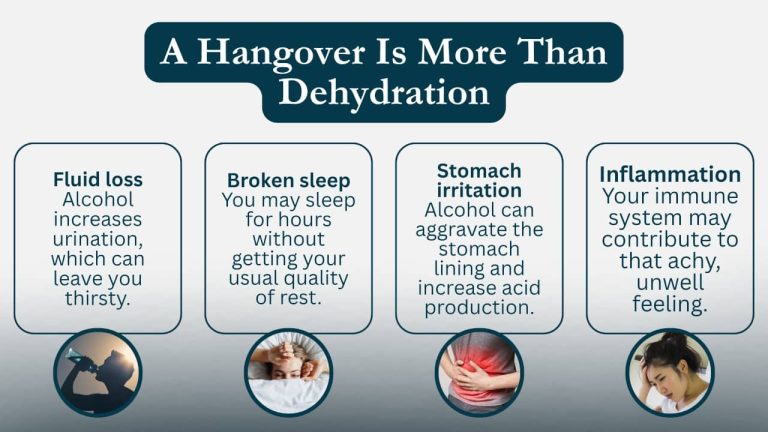
- Dehydration. Alcohol causes your body to lose fluids and electrolytes.
- Inflammation. Alcohol triggers an inflammatory response that contributes to headaches and fatigue.
- Toxic alcohol byproducts. When the liver processes alcohol, it produces acetaldehyde, which contributes to hangover symptoms.
- Sleep disruption. Alcohol interferes with restorative sleep cycles.
In other words, Dramamine may calm your stomach—but it won’t fix the bigger physiological imbalance created by drinking.
Why Hangovers Feel So Bad
To understand whether Dramamine works for hangovers, it helps to know what’s actually happening in the body.
Hangovers occur because alcohol affects several systems at once:
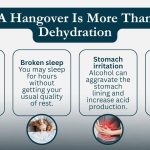
Dehydration
Alcohol suppresses vasopressin, a hormone that helps regulate fluid balance. This leads to increased urination and fluid loss, which contributes to thirst, headaches, and fatigue.
Inflammation
Drinking alcohol increases inflammatory chemicals in the body. These compounds can make you feel achy, foggy, and sensitive to light or sound.
Toxic Metabolites
When alcohol is broken down in the liver, it produces acetaldehyde—a highly reactive chemical that contributes to nausea, sweating, and headaches.
Sleep Disruption
Even though alcohol may make you fall asleep faster, it disrupts REM sleep and deep sleep stages. Poor sleep makes hangovers feel even worse.
Because hangovers involve multiple systems, there’s rarely a single medication that solves everything. This is why Dramamine and hangovers can be a partial solution at best.
What Dramamine Is And How It Works
Dramamine is an antihistamine primarily used to prevent and treat motion sickness. Its active ingredient, dimenhydrinate, works by blocking histamine signals in the brain and affecting the vestibular system—the part of your inner ear responsible for balance.
By reducing stimulation in these areas, Dramamine helps control symptoms like nausea, dizziness, and vomiting.
Why Dramamine Can Reduce Nausea
The reason Dramamine can help with hangover nausea is because it acts on the same brain pathways involved in motion sickness. Alcohol sometimes disrupts balance and inner-ear signals in a similar way.
When those signals are calmed, symptoms like nausea and dizziness may decrease. That’s why some people find relief when asking questions like:
- Does Dramamine help with hangover nausea?
- Will Dramamine help with hangover nausea?
- Can you take Dramamine for a hangover?
However, because hangover nausea often comes from stomach irritation and toxic metabolites—not just balance issues—Dramamine won’t always eliminate the symptom entirely.
Risks, Side Effects, And When Not To Take Dramamine
Even though Dramamine is available over the counter, it still has potential side effects. Taking it during a hangover can sometimes intensify certain symptoms.
Common side effects include:
- Drowsiness
- Dry mouth
- Blurred vision
- Confusion
- Slowed reaction time
These effects may feel stronger when your body is already stressed from alcohol. It’s especially important to avoid Dramamine if you:
- Are still intoxicated
- Plan to drive or operate machinery
- Are taking other sedating medications
- Have certain medical conditions affected by antihistamines
In those situations, Dramamine and hangovers may actually make you feel more groggy or disoriented.
Better Options: A Practical Hangover Recovery Stack That Targets Root Causes
If Dramamine only addresses one piece of the puzzle, what actually helps?
A better recovery strategy focuses on correcting the physiological problems alcohol creates.
Hydration And Electrolytes
Rehydrating is one of the most effective ways to ease hangover symptoms. Water alone helps, but electrolyte drinks can replace sodium, potassium, and other minerals lost during drinking.
Gentle Nutrition
Eating small, balanced meals can help stabilize blood sugar levels. Foods containing protein, healthy fats, and complex carbohydrates can restore energy and reduce nausea. Ginger fits here too: ginger tea for hangover nausea has more evidence behind it than ginger ale, which usually contains very little real ginger.
Anti-Inflammatory Support
Alcohol increases inflammation in the body. Nutrients like vitamin C, magnesium, and omega-3 fatty acids may help support recovery.
Rest And Nervous System Recovery
Hangovers often come with exhaustion because alcohol disrupts sleep cycles. Resting and allowing the nervous system to reset can dramatically improve symptoms.
Taken together, these approaches address the root causes of hangovers, rather than just masking nausea.
Prevention And When To Get Help
Sometimes the best hangover cure is preventing one in the first place.
Strategies That Reduce Hangover Risk
While there’s no guaranteed way to avoid hangovers, these habits can help reduce their severity:
- Drinking water between alcoholic beverages
- Eating before and during alcohol consumption
- Limiting high-congener drinks like dark liquors
- Pacing alcohol intake
These steps reduce dehydration, inflammation, and alcohol spikes in the bloodstream.
When Hangovers Become A Pattern
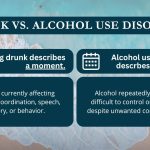
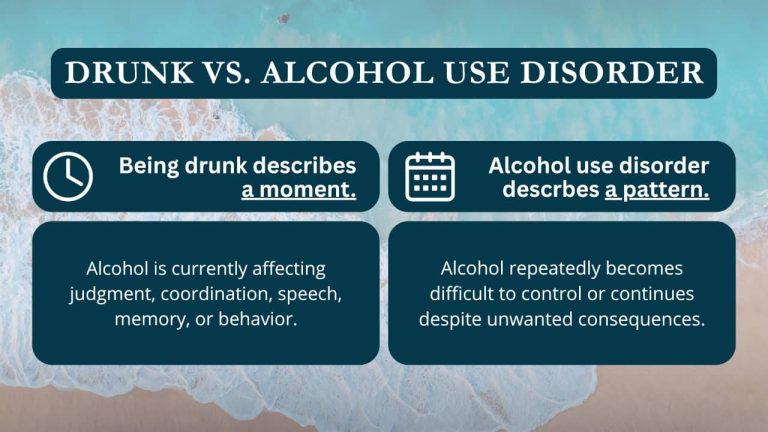
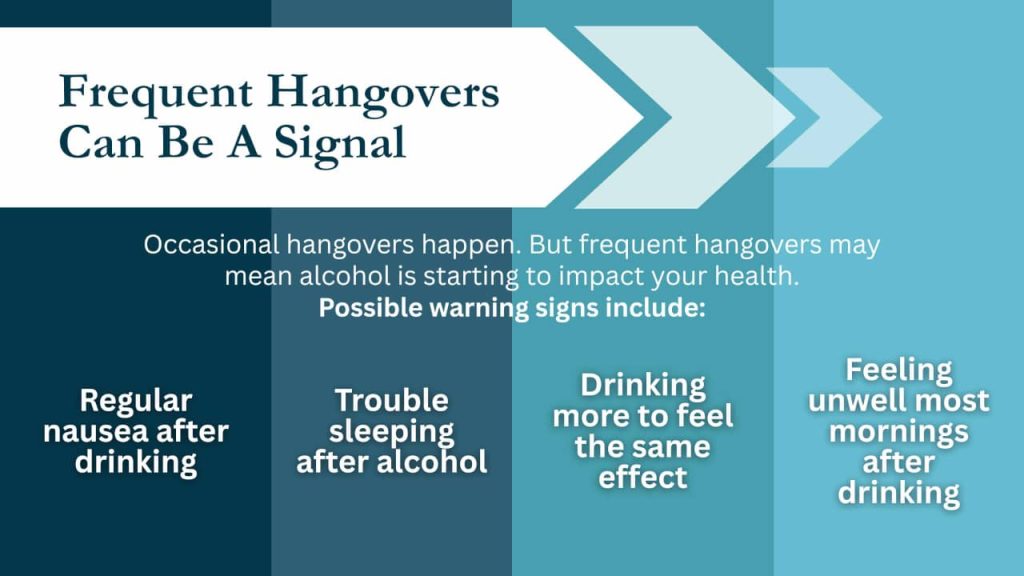
Occasional hangovers are common. But if someone finds themselves searching repeatedly for solutions like Dramamine for hangover relief, it may be worth stepping back and examining their drinking habits — starting with whether they still fit the definition of an occasional drinker.
Frequent hangovers can be a sign that alcohol is beginning to impact health, sleep, mood, or daily functioning.
How To Get Support If Cutting Back Is Hard
If reducing alcohol intake feels difficult—or if hangovers are becoming routine—a Hawaii rehab like The Ohana can offer compassionate, individualized support without judgment.
At The Ohana Hawaii, recovery is approached with compassion, not judgment. The center provides individualized, evidence-based treatment combined with holistic care, including therapies that support physical healing, emotional growth, and long-term well-being.
Many people who seek support discover that symptoms like hangovers, fatigue, anxiety, and inflammation improve significantly when alcohol use is reduced in a structured, supportive environment.
The Bottom Line
So, does Dramamine help with hangovers?
It may help relieve nausea or dizziness in some cases, but it doesn’t fix the deeper causes of a hangover—like dehydration, inflammation, and alcohol byproducts in the body.
If you’re considering Dramamine for hangover symptoms, it may provide limited relief for stomach upset, but the most effective recovery strategies focus on hydration, nutrition, and rest.
And if hangovers are becoming frequent enough that you’re searching for solutions every weekend, that may be your body’s way of asking for a different kind of support.
At The Ohana Hawaii, healing starts with understanding what your body is telling you—and finding healthier ways to move forward.
Support Beyond Hangover Relief: How The Ohana Hawaii Helps Address Alcohol Use
At The Ohana Hawaii, treatment is built around the understanding that recovery is not one-size-fits-all. Each person arrives with a unique story, different challenges, and their own goals for healing. That’s why the first step in treatment involves a thorough clinical assessment and collaboration with the client to create a personalized recovery plan.
A Holistic Approach To Healing Mind, Body, And Spirit
While clinical therapy addresses psychological patterns, The Ohana also recognizes that addiction recovery involves the whole person—mind, body, and spirit.
Their holistic treatment program integrates mindfulness-based practices designed to help clients reconnect with themselves and develop healthier ways to manage stress and emotions.
These therapies may include:
- Yoga and meditation to regulate the nervous system and promote mental clarity
- Art therapy to process emotions and past experiences through creativity
- Massage therapy to release physical tension stored in the body
- Acupuncture and sound healing to support relaxation and emotional balance
- Ecopsychology and nature-based experiences, which help clients reconnect with the natural world and themselves
The program also incorporates adventure experiences in Hawaii’s natural environment, helping clients build supportive relationships with peers while developing confidence and resilience.
Tools That Support Life After Treatment
One of the primary goals of treatment at The Ohana is helping clients leave with tools they can use long after they return home. Recovery isn’t just about abstaining from substances—it’s about learning how to navigate life differently.
Clients practice mindfulness techniques, emotional regulation strategies, and communication skills that support long-term well-being. By the time they complete treatment, many individuals feel better prepared to handle stress, relationships, and life transitions without relying on alcohol or other substances.
For individuals who initially begin searching for answers to questions like “does Dramamine help hangovers” or “is Dramamine good for hangovers,” the deeper journey often becomes understanding how alcohol fits into their life—and what healthier alternatives might look like.
At The Ohana Hawaii, that exploration happens in a compassionate environment where healing is supported from every angle: clinical, emotional, physical, and spiritual.