It’s not a symptom people expect.
You pour a drink. A few sips in, your shoulder starts aching. Or maybe it shows up the next morning — a deep soreness in your upper back or neck that doesn’t quite make sense.
You might find yourself wondering:
- Why do my shoulders hurt when I drink alcohol?
- Why does my shoulder hurt when I drink?
- Is shoulder pain after drinking alcohol something serious?
In most cases, alcohol-related shoulder pain is uncomfortable but not dangerous. In other cases, it can be a signal that something deeper is happening in the body.
Let’s break down why this happens — and when it’s time to pay closer attention.
Why Do My Shoulders Hurt When I Drink Alcohol?
If you’ve asked, “Why do my shoulders ache when I drink alcohol?” you’re not alone.
Alcohol affects the body far beyond the liver. It impacts:
- Blood vessels
- Muscles
- Nerves
- Inflammation levels
- Sleep quality
- Immune response
Shoulder pain when drinking alcohol can come from several overlapping mechanisms:
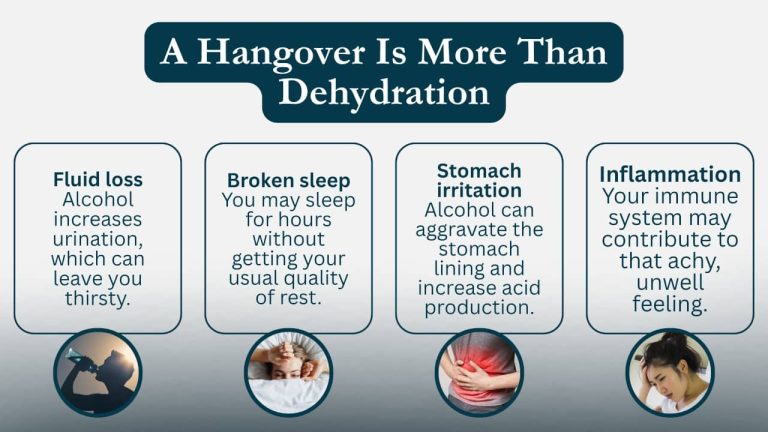
- Inflammation: Alcohol increases systemic inflammation, which can aggravate muscles and joints.
- Dehydration: Dehydrated muscle tissue is more prone to stiffness and soreness.
- Vasodilation: Alcohol widens blood vessels, which can trigger pressure sensations or nerve sensitivity.
- Posture changes: Relaxed muscles can lead to slumping or tension patterns in the neck and shoulders.
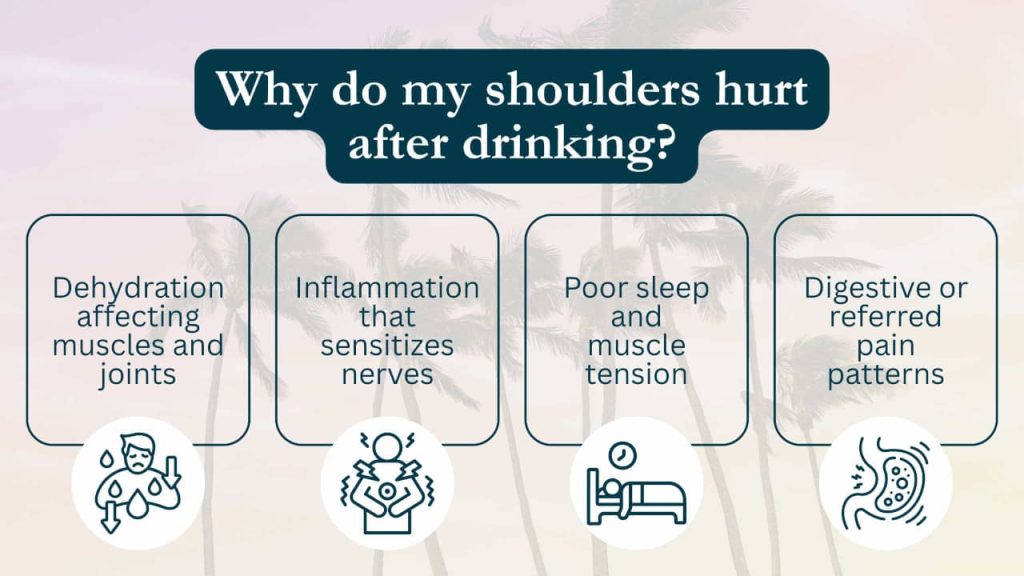
When someone says, “Why does alcohol make my shoulders hurt?” the answer is usually not one single cause — it’s the combination of these effects.
Shoulder Pain Immediately After Drinking
If you experience shoulder pain immediately after drinking alcohol, timing matters.
Pain that appears within minutes — especially 5 to 15 minutes after the first drink — may be related to:
- Rapid vasodilation (blood vessel expansion)
- Histamine response (common with wine and beer)
- Lymph node sensitivity
- Nerve irritation in the neck and upper back
Immediate pain is less likely to be simple dehydration (which takes longer to develop) and more likely related to vascular or immune response.
If you’re asking, “Why does my shoulder hurt when I drink alcohol almost right away?” pay attention to:
- The type of alcohol
- The amount consumed
- Whether it happens every time
Patterns matter.
The Most Common Causes Of Shoulder Pain After Drinking Alcohol
When people report shoulder pain after drinking alcohol, these are the most common explanations:
1. Muscle Tension and Dehydration
Alcohol dehydrates muscles and connective tissue. Tight trapezius muscles (upper shoulders) are especially vulnerable.
The next morning, stiffness can feel like:
- Deep ache between neck and shoulder
- Burning tension in upper back
- Limited range of motion
2. Referred Pain From Digestive Irritation
Alcohol irritates the stomach, pancreas, and diaphragm. The diaphragm shares nerve pathways with the shoulder (via the phrenic nerve).
That means inflammation in the abdomen can create shoulder pain — even though nothing is wrong with the shoulder itself.
3. Histamine Sensitivity
Wine and beer contain histamines. For sensitive individuals, this can cause:
- Flushing
- Headache
- Neck stiffness
- Shoulder discomfort
If you notice shoulder pain when drinking alcohol only with certain beverages, histamine response may be part of the puzzle.
Why Drinking Alcohol Can Hit The Neck And Shoulders
The neck and shoulders are tension hubs.
Alcohol temporarily relaxes muscles — but paradoxically, as blood alcohol levels drop, the body rebounds with stress hormones. That can lead to:
- Tight traps
- Clenched jaw
- Forward head posture
This is why some people wake up saying, “Why do my shoulders hurt when I drink?” even though they don’t remember straining anything.
Additionally, alcohol disrupts REM sleep. Poor sleep alone can increase pain sensitivity by lowering the body’s natural pain threshold.
Left Shoulder Pain After Drinking Alcohol: Does The Side Matter?
When someone experiences left shoulder pain after drinking alcohol, anxiety naturally increases.
Why? Because left shoulder pain can sometimes be associated with:
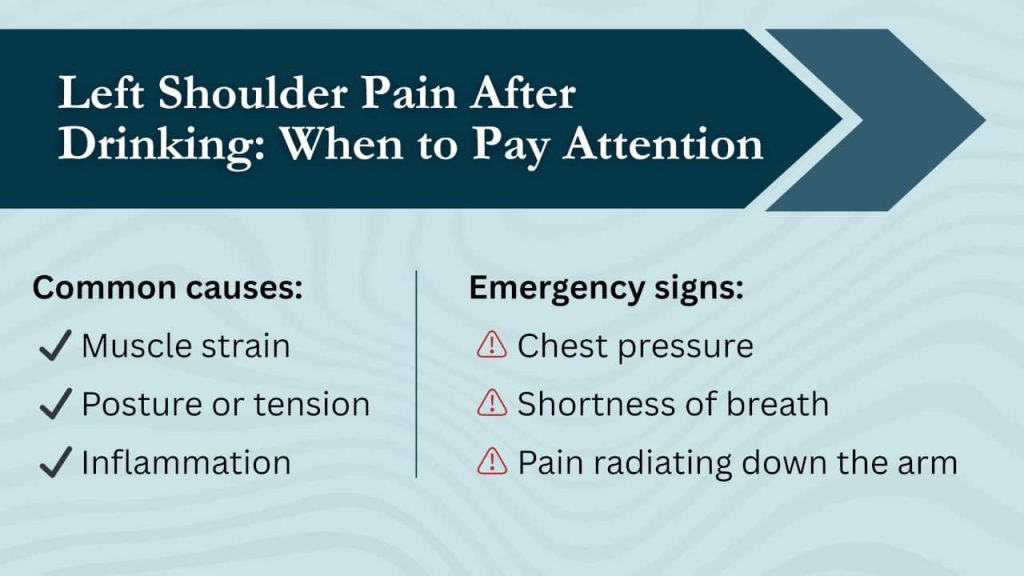
- Heart-related issues. Left-sided pain can overlap with heart symptoms, especially if it comes with chest tightness or breathing changes. Alcohol can temporarily raise heart rate and blood pressure, which may worsen underlying issues.
- Referred pain from the diaphragm. Irritation in the upper abdomen can “refer” pain to the shoulder through shared nerves. Alcohol-related reflux or stomach inflammation can sometimes trigger this pattern.
- Splenic irritation. Less commonly, discomfort from the upper left abdomen can radiate toward the left shoulder. Sudden or sharp pain, especially with abdominal symptoms, should be taken seriously.
However, in most otherwise healthy individuals, occasional shoulder pain from alcohol is musculoskeletal, related to tension, posture, dehydration, or inflammation.
That said, seek immediate medical care if left shoulder pain after drinking alcohol is accompanied by:
- Chest pressure. Tightness or heaviness in the chest is a red flag and should be evaluated urgently.
- Shortness of breath. Trouble breathing or feeling winded at rest can signal something serious.
- Dizziness. Lightheadedness or feeling faint can reflect dangerous blood pressure or rhythm changes.
- Pain radiating down the arm. Pain spreading into the arm, jaw, neck, or back should be treated as urgent.
The side alone doesn’t determine severity — the full symptom picture does.
Alcohol-Induced Shoulder Pain And Lymphoma
One rare but well-documented phenomenon is alcohol-induced pain in individuals with Hodgkin lymphoma.
This is why some searches include terms like “shoulder pain alcohol lymphoma.”
In rare cases, people with Hodgkin lymphoma experience sharp pain in lymph nodes shortly after drinking alcohol. This can include:
- Collarbone area
- Neck
- Armpit
- Shoulder region
Important: This symptom is uncommon and almost always occurs alongside other signs like:
- Unexplained weight loss
- Night sweats
- Swollen lymph nodes
- Persistent fatigue
If shoulder pain is isolated and occasional, lymphoma is unlikely. But persistent, unexplained lymph node pain should always be evaluated.
A Quick Self-Check
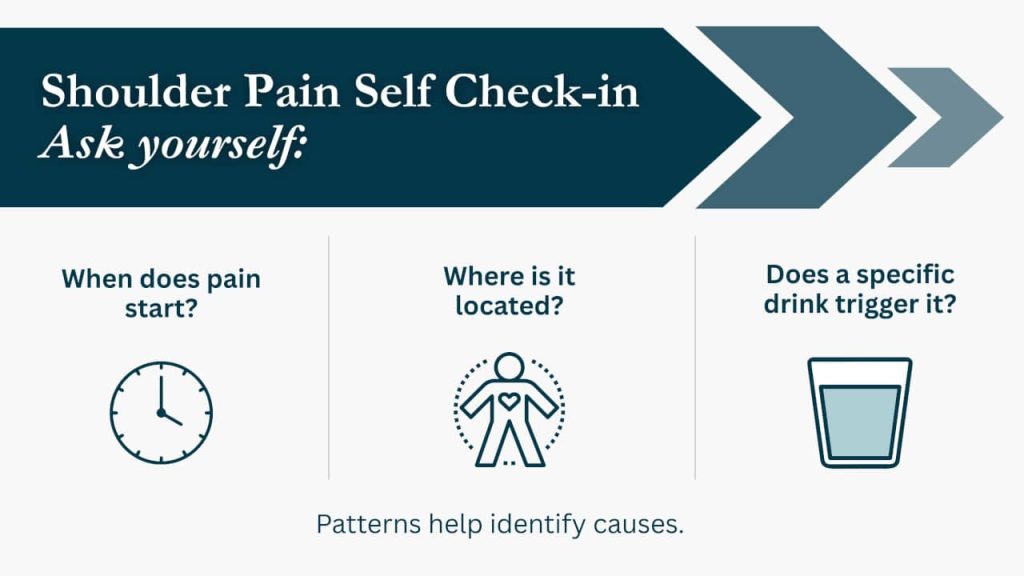
If you’re wondering, “Why do my shoulders hurt when I drink alcohol?” ask yourself:
Timing: During Drinking, 5–15 Minutes After, Or The Next Morning?
Immediate pain suggests vascular or histamine response.
Next-day pain often suggests dehydration or muscle tension.
Location: Shoulder Joint, Trap/Neck, Collarbone/Armpit Area?
Joint pain may be inflammatory.
Upper trap pain is often tension-related.
Collarbone or armpit pain may involve lymph nodes.
Triggers: Only Certain Drinks (Wine/Beer), Amount Threshold, Or Any Alcohol?
If only wine triggers it, histamines may be involved. If it happens with any alcohol, systemic inflammation or sensitivity may be the driver.
Tracking patterns provides clarity.
What To Do Right Now If Your Shoulder Hurts When You Drink
If you’re currently experiencing shoulder pain when drinking alcohol:
- Stop drinking immediately.
- Hydrate with water or electrolytes.
- Gently stretch neck and shoulders.
- Apply heat for muscle tension or cold if inflammation feels sharp.
- Rest upright rather than slumped.
If pain is severe, radiating, or accompanied by chest symptoms — seek medical attention. If you’re also taking medications that can increase drowsiness or dizziness, it’s worth being cautious—just as people often worry about drinking on dramamine, alcohol can interact with other substances in ways that make symptoms harder to interpret.
Prevention And Long-Term Fixes If It Keeps Happening
If this keeps happening, your body is signaling something.
Long-term strategies include:
- Reducing alcohol intake
- Drinking water between alcoholic beverages
- Limiting high-histamine drinks
- Improving posture and neck mobility
- Strengthening upper back muscles
- Prioritizing restorative sleep
For mornings when nausea accompanies the ache, some people find that Zofran helps with hangover stomach symptoms—though it won’t relieve the musculoskeletal pain itself. If you find yourself repeatedly asking, “Why does my shoulder hurt when I drink alcohol?” it may be time to examine not just the symptom — but the drinking pattern.
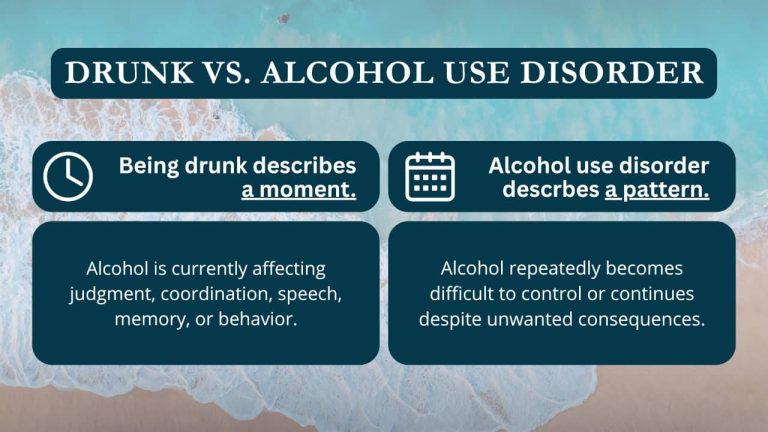
When Alcohol Use Is Part Of The Problem
Occasional discomfort is one thing.
But if alcohol and shoulder pain show up alongside:
- Increased tolerance
- Difficulty cutting back
- Drinking to manage stress
- Frequent hangovers
- Mood changes
Then alcohol use itself may be contributing to systemic inflammation and chronic muscle tension. Even if you’d still describe yourself as an occasional drinker, these patterns are worth a closer look.
Signs Your Body Isn’t Tolerating Your Current Intake
Your body may be signaling distress if you notice:
- Repeated shoulder pain after drinking alcohol
- Sleep disruption
- Night sweats
- Digestive discomfort
- Increased anxiety after drinking
- Muscle aches that last days
Pain is often the body’s early warning system.
How To Get Support If Cutting Back Is Hard
If reducing alcohol feels harder than expected, that’s not a character flaw — it may be a physiological dependence pattern. If you’re trying to figure out logistics, including coverage, we can help—especially if you’re looking for a rehab that takes Cigna insurance or any other major insurance provider.
At The Ohana, we help individuals explore not just alcohol use — but what alcohol has been helping them cope with.
Through:
- Evidence-based therapy
- Trauma-informed care
- Holistic treatments
- Medical support when needed
- Adventure-based healing experiences
Clients learn to regulate stress, inflammation, and nervous system tension in healthier ways.
Many people don’t realize how much chronic alcohol use contributes to:
- Persistent muscle tension
- Poor sleep
- Systemic inflammation
- Heightened pain sensitivity
When alcohol intake is reduced in a structured, supportive environment, many physical symptoms — including shoulder pain — improve significantly.
The Bigger Picture: Listening To Your Body
If you’ve been wondering:
- Why do my shoulders hurt when I drink alcohol?
- Why does alcohol make my shoulders hurt?
- Is shoulder pain after drinking alcohol normal?
The answer is: it can be common — but it’s not meaningless.
The body keeps score.
Occasional tension after a drink may be mild. But repeated symptoms are information. And information is an opportunity.
At The Ohana Hawaii alcohol rehab, we believe symptoms aren’t something to shame — they’re something to understand.
If alcohol is beginning to affect your sleep, your muscles, your mood, or your health, support is available.
You don’t have to wait for a crisis.
You can start with curiosity.
And if cutting back or stopping feels overwhelming, we’re here to help you take the next step — safely, compassionately, and at your pace.